
If you love music nostalgia, vinyl records, and the stories behind the labels that made the soundtrack of the 80s and 90s, this conversation is for you. On the Broken to Brave Podcast, host Donna Barnes talks with George Saadi, a former Capitol Records executive and TV producer, about how he broke into the music business, one of the boldest album campaigns of the 90s, and some great KISS stories.
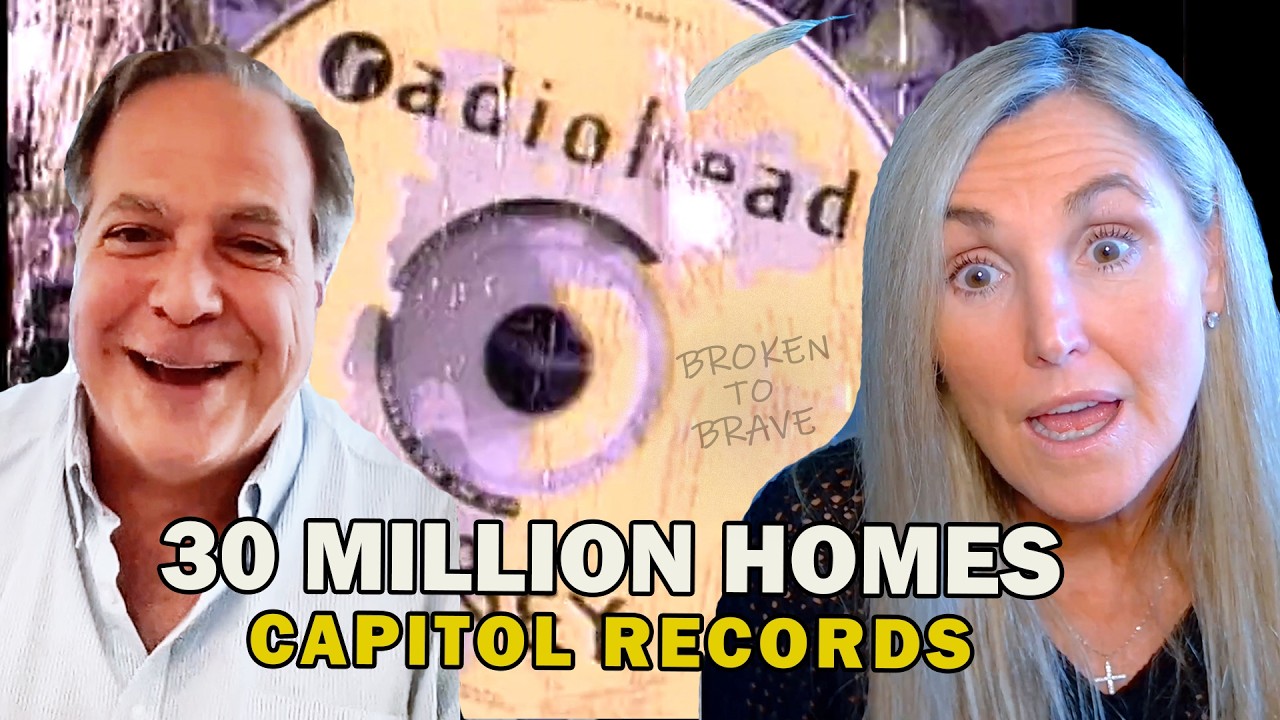
In short: George Saadi started as a classical pianist, was turned away from a Juilliard audition, and went on to build a career at Capitol Records. There he promoted Radiohead’s The Bends by buying 31 straight nights of late-night Discovery Channel airtime reaching about 30 million homes. That idea led to a call from Dick Clark and a career in television.
Who Is George Saadi?
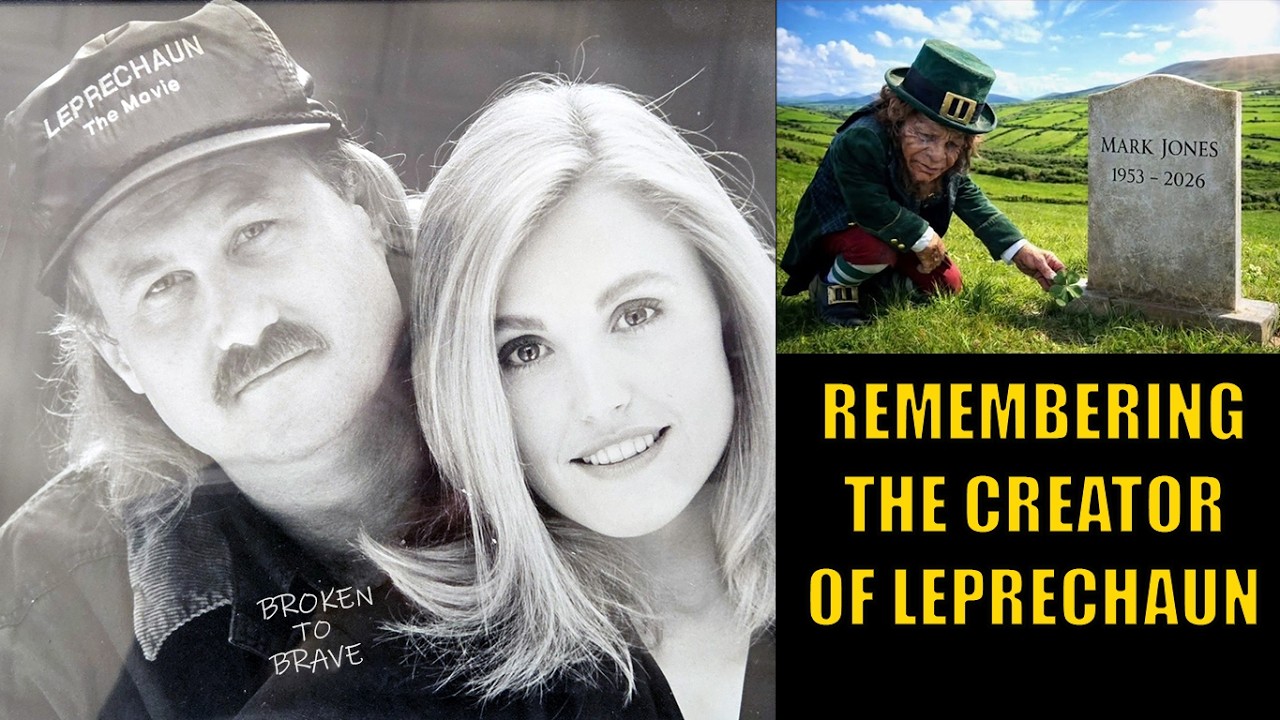
George Saadi is a former Capitol Records executive turned television producer. He is also the longtime friend and business partner of Leprechaun creator Mark Jones. He grew up in Youngstown, Ohio, and moved to Los Angeles because, in his words, the only thing he wanted to do was work in the music business.
From Juilliard Rejection to Berklee College of Music
George trained as a classical pianist and earned an audition at Juilliard. About a week before it, the school called to say not to bother coming, telling him what he had prepared was not competitive. He and his father made the trip anyway and were still turned away.
The experience changed his direction. He decided to attend what he called the most rock and roll school he could find, Berklee College of Music in Boston. There he realized he wanted to be a music executive rather than a performer.
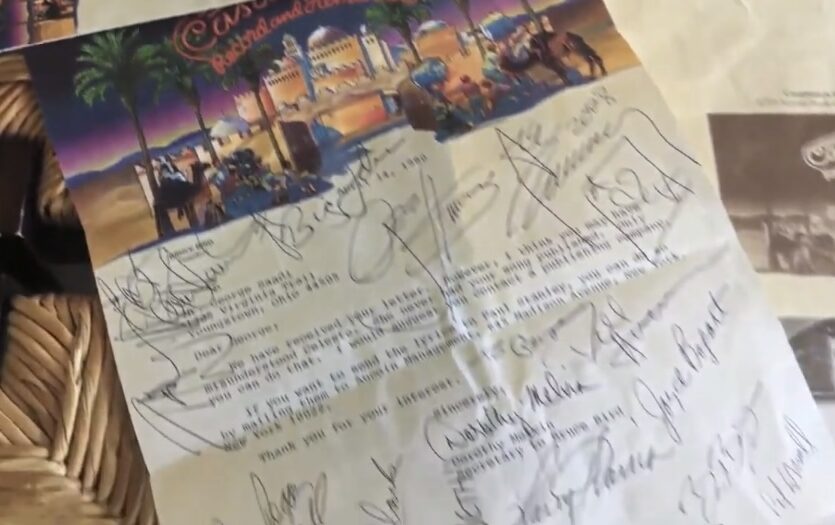
Casablanca Records letter from Neil Bogart
The Casablanca Records Letter That Became His “Deed to My Life”
Before all of that, George had become a big KISS fan and admired how Casablanca Records president Neil Bogart and KISS manager Bill Aucoin marketed the band. At about 15, he wrote Bogart a letter, and Bogart wrote back. George still has that 1978 letter, and he has had nearly everyone connected to the label sign it, including members of KISS. He calls it his deed to his life.
How He Got Into Capitol Records in the Late 80s
When George finished school, labels told him degrees mattered less than experience in radio, sales, A&R, marketing, or video. He had none. After being passed over for the glamorous “find a new artist in a smoky club” job, he returned to Ohio and helped reunite the punk band the Dead Boys with singer Stiv Bators. The reunion produced only a single, but the experience helped him land an interview at Capitol around 1989. He was paid so little that he had to stretch his paychecks to cover rent, but he says he didn’t care.
The Radiohead Campaign: 31 Nights on Discovery Channel
When Radiohead’s second album, The Bends, was coming out, the band needed to broaden its name recognition. MTV was the gatekeeper for visual bands at the time, and getting airtime there was difficult.
George’s idea came to him on a run: buy remnant airtime. Discovery Channel went off the air in the early morning hours and sold that block to infomercials, and its signal reached about 30 million U.S. homes.
Here’s how the campaign worked:
- He bought a late-night slot on Discovery Channel and produced a half-hour “extended press kit” with interviews and live footage.
- The same show aired for 31 days in a row at the same time.
- There was no radio airplay, tour, or press behind it, and the record started to sell.
How He Paid for It
The campaign was expensive and the money wasn’t set aside. George explains that record stores like Musicland, Sam Goody, and Media Play charged labels “co-op” marketing fees for shelf placement, which he called “kind of blackmail.” He negotiated to receive that co-op money himself, in exchange for promoting the stores inside the infomercial. He argued that Best Buy, which sold records cheaply to bring in appliance shoppers, was hurting them anyway.
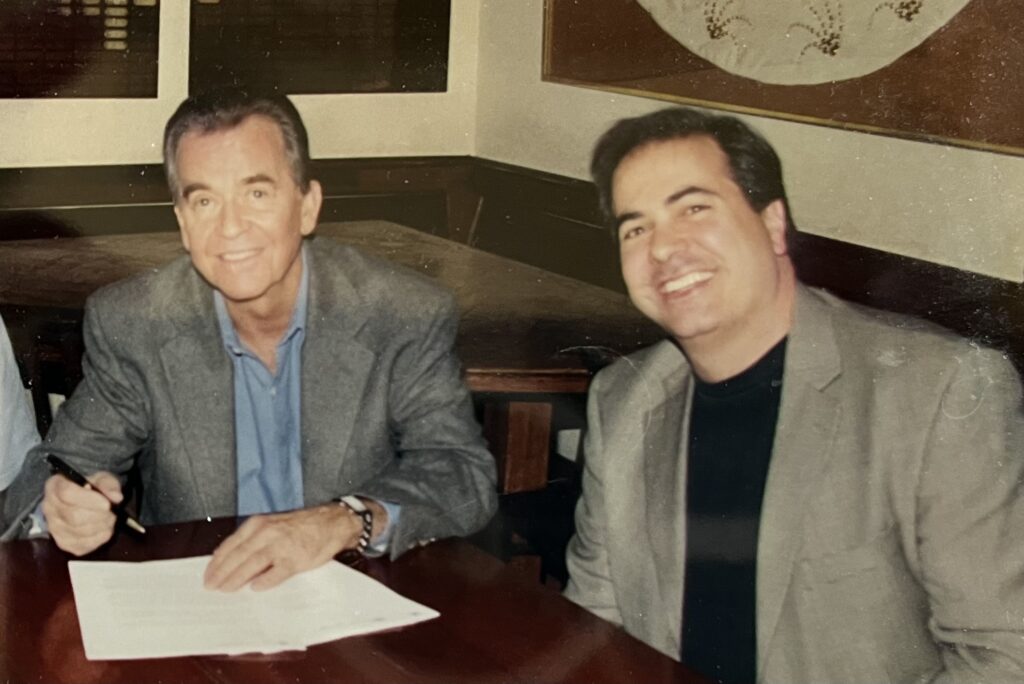
Dick Clark signing contracts with George Saadi
The Phone Call From Dick Clark
George had worked with Bill Aucoin on projects, and Aucoin loved the Radiohead idea. One day, while George sat in traffic on the way to work, his phone rang. Aucoin had Dick Clark on the line and asked George to explain his plan. After about half an hour of tough questions, Clark told him to come by his Burbank office on Monday. George spent an hour walking Clark’s team through the concept, and he began developing television shows with them. He describes the record label as a stepping stone to TV.
Buried History: A PBS Emmy Nomination
After Dick Clark passed away, his widow wanted to keep his name active in the industry. George pitched several ideas, including Buried History, a show that told the story of small-town America through the headstones in local cemeteries. A pilot filmed on Catalina Island aired on PBS and was nominated for an Emmy. George says they didn’t win, but the nomination was a shock.
Why Vinyl Is Making a Comeback
George and Donna also talk about how the end of physical formats broke down the walls between the music, TV, and film businesses. They discuss why vinyl now outsells CDs, and George admits it bothers him when younger people say “vinyls.” For his generation, records were just records.
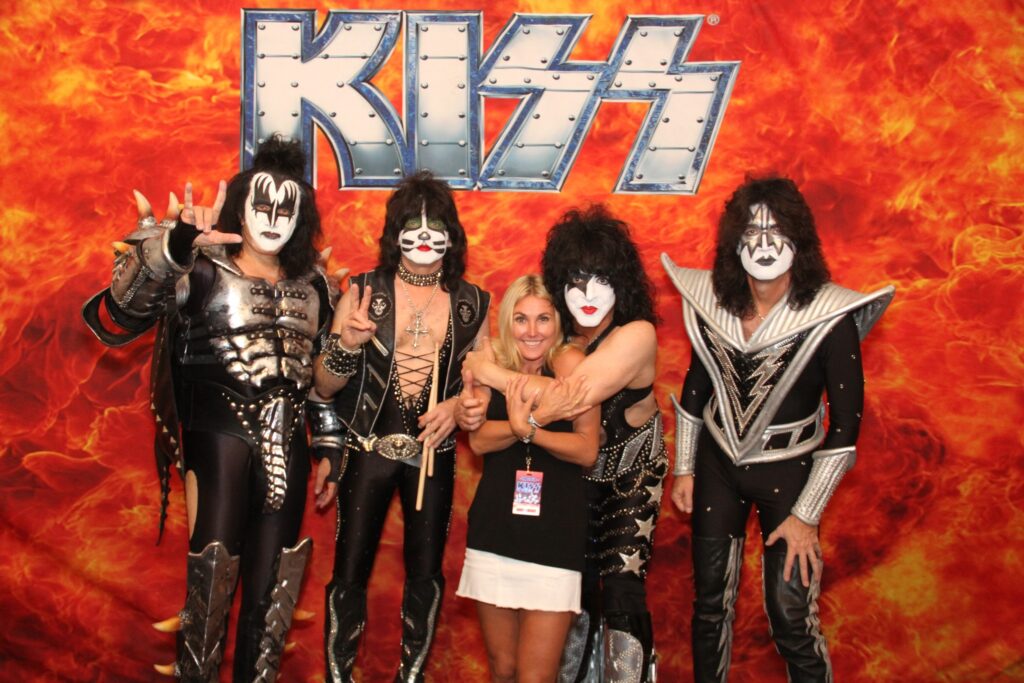
Backstage at Jones Beach Kiss concert
KISS Stories: Bill Aucoin, Gene Simmons, and Paul Stanley
George shares how Bill Aucoin, who hosted the NBC show Flipside, discovered KISS at a club called the Coventry in Queens. According to George, Aucoin put the band’s touring on his own American Express card and filmed them on stage to show them how to improve their movements.
Years later, George drove Aucoin to Gene Simmons’ home, where Aucoin showed Simmons a transferred copy of that early footage. He also describes:
- Gene Simmons’ home wing dedicated to KISS memorabilia
- Getting Paul Stanley to sign his letter, and Stanley bringing out the watch Neil Bogart once gave the band for being late
- Having Ace Frehley sign it at a House of Blues show
- The night he accidentally dialed Gene Simmons’ number from a contact he had saved years earlier, which Paul Stanley called “guerrilla marketing at its finest”
The story ends on a more somber note. George recounts Bill Aucoin’s final days and the memorials afterward, where he asked Peter Criss to sign the letter at a funeral, an awkward moment that Criss eventually accepted.
Frequently Asked Questions
Who is George Saadi?
A former Capitol Records executive and television producer who worked on projects with Dick Clark and was a close friend and partner of Mark Jones.
How was Radiohead’s The Bends marketed?
George Saadi bought late-night Discovery Channel airtime and ran a half-hour press-kit-style show for 31 straight nights. He says sales rose without radio airplay, a tour, or press.
Who discovered KISS?
Bill Aucoin, host of NBC’s Flipside, saw the band at the Coventry in Queens and became their manager.
What is co-op marketing in the music business?
Paying retailers for better store placement and promotional pricing, similar to how grocery brands pay for shelf position.
Is vinyl outselling CDs?
George says yes, and he and Donna discuss what the vinyl revival means for people who grew up with records.
Watch and Listen
Watch the full episode above, and subscribe to the Broken to Brave Podcast for more conversations with people from entertainment, sports, and beyond. Tell us in the comments: what’s your favorite 80s or 90s album, and do you still own it on vinyl?
Related posts: Leprechaun Director Mark Jones: The Untold Hollywood Story
He Was Arrested Outside Yankee Stadium — Then George Steinbrenner Changed His Life
Rocky, Stallone & the Power of the Underdog | Why This Movie Changed Everything