

Robert Bruzio on Bottom of the Ninth, Rocky, Redemption, and the Power of Persistence
What Is This Interview About?
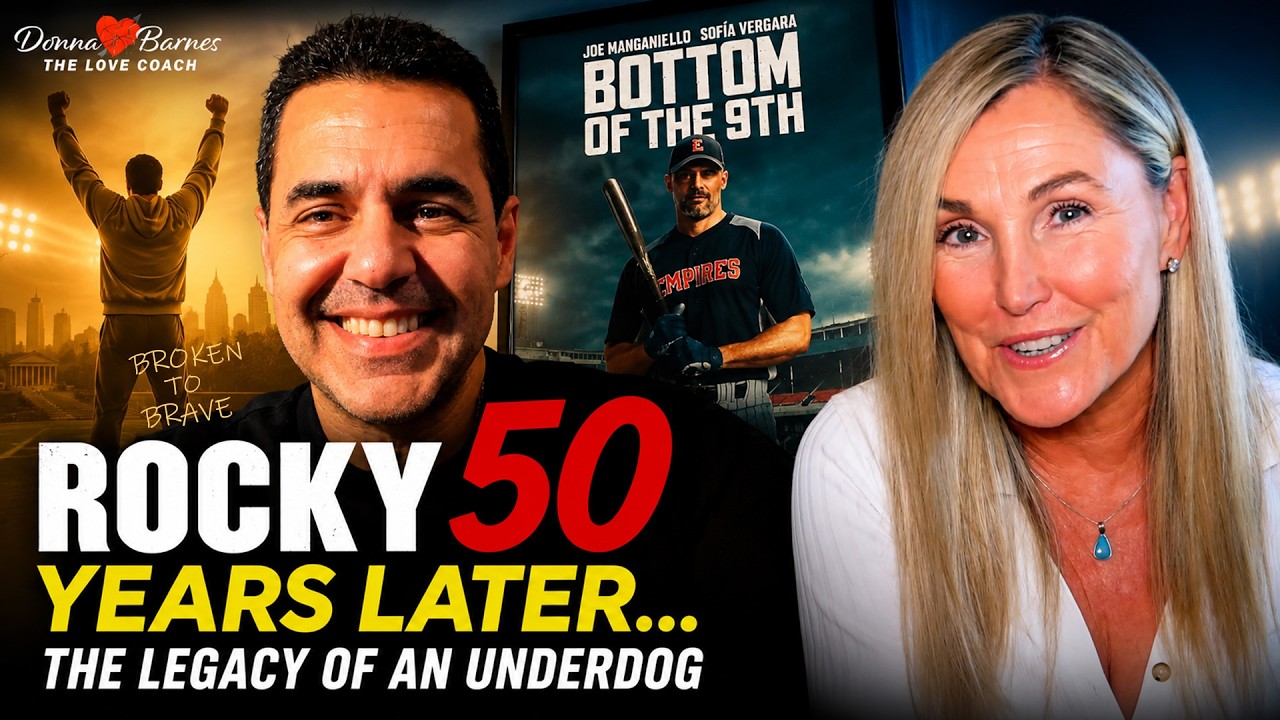
In this conversation, Donna Barnes talks with writer, actor, director, and producer Robert Bruzio about the making of Bottom of the Ninth, the enduring influence of Rocky, and why stories about second chances continue to move audiences. Bruzio shares how persistence, faith, strong storytelling, and the right collaborators helped shape his career in film and television.
Key Takeaways from Donna Barnes’ Interview with Robert Bruzio
- Bottom of the Ninth began as a deeply personal story about loss, regret, redemption, and the possibility of a second chance.
- Robert Bruzio developed the original screenplay, titled Stano, with major Rocky connections, including John G. Avildsen and producers tied to the Rocky and Creed
- Bruzio believes the best movies do more than entertain: they leave audiences with something meaningful to think about.
- The interview explores the spiritual, mythological, and cultural reasons Rocky still resonates nearly 50 years after its release.
- Bruzio’s advice for writers and actors is simple but powerful: get good, keep improving the work, and do not stop too soon.
Who Is Robert Bruzio?
Robert Bruzio is a writer, actor, director, and producer best known for writing Bottom of the Ninth, the baseball redemption drama starring Joe Manganiello and Sofia Vergara. In this interview, Bruzio discusses not only that film, but also his broader career, his upcoming creative projects, and the life lessons he has learned from acting classes, film sets, commercial work, and years of writing screenplays.
Why Bottom of the Ninth Is a Story About Redemption
Originally titled Stano, Bottom of the Ninth follows a gifted baseball player whose life changes after one tragic mistake. For Bruzio, the emotional center of the story is not only what happens before prison, but what happens after: what it feels like to come home when the world has moved on, your potential seems gone, and you must decide whether you still deserve happiness.
That theme gives the film its emotional weight. It asks questions many people understand even if their own mistakes were not public: Can you rebuild? Can you forgive yourself? Can others see more than the worst thing you have done?
The Rocky Connection: Underdogs, Second Chances, and Going the Distance
Bruzio explains that Bottom of the Ninth had a strong connection to the world of Rocky. John G. Avildsen, the Academy Award-winning director of Rocky, was attached to direct the project before his passing. William Chartoff, connected to the Rocky, Rocky Balboa, and Creed legacy, was also one of the film’s producers.
That connection makes sense. Like Rocky, Bruzio’s film is not just about sports. It is about being given an opportunity and deciding what to do with it. As Bruzio points out in the interview, Rocky is not only a boxing movie. It is also a love story, an underdog story, and a story about proving you can go the distance.
Why Rocky Still Resonates After Nearly 50 Years
The conversation turns to Philadelphia, the Rocky Steps, and the cultural power of the Rocky statue. For Donna Barnes, a Philadelphia sports fan, Rocky is inseparable from the city’s identity. For Bruzio, the character’s staying power comes from something even deeper: audiences see themselves in Rocky’s longing, struggle, humility, and determination.
Bruzio also shares details about Rocky Uncovered, a documentary concept exploring why the film continues to resonate so deeply. The discussion includes mythological and biblical parallels in Rocky, including the opening imagery of Jesus and the idea that Rocky is an unexpected person chosen for an extraordinary opportunity.
Screenwriting Advice from Robert Bruzio: Get Good and Keep Going
One of the strongest lessons in the interview is Bruzio’s emphasis on craft. He recalls an acting teacher who told students not to rush toward headshots, agents, and auditions before doing the foundational work. The advice was simple: “Get good.” Bruzio applies that lesson to writing, acting, producing, and life.
He also stresses that persistence only works when the product is strong. A writer has to keep improving the material, listen to how people respond, and be honest when something is not working. In his case, it took nearly nine years to get Bottom of the Ninth made, but he kept going because respected people in the industry were responding emotionally to the script.
Beyond Bottom of the Ninth: Their Way, Positano, and The Evidence
Bruzio also discusses several projects in development, including Their Way, a screenplay about Atlantic City club owner Skinny D’Amato and his complicated relationship with Frank Sinatra. He also talks about Buonasera Positano, a project co-written with Raymond De Felitta, and The Evidence, a faith-based screenplay he was hired to write.
Acting, Commercials, Soap Operas, and Learning on Set
The interview also becomes a warm, honest look at the entertainment industry from two people who have lived it. Barnes and Bruzio trade stories about modeling, acting classes, commercials, soap operas, extra work, union jobs, residuals, and the changing economics of performance work in the streaming era.
Their shared takeaway is practical and encouraging: every set can be an education if you are paying attention. Whether you are acting, writing, producing, or simply trying to break into a creative industry, preparation matters because opportunity can arrive before you feel ready.
Frequently Asked Questions
What is Bottom of the Ninth about?
Bottom of the Ninth is a baseball redemption drama about a once-promising player who returns home after prison and must face his past, his lost potential, and the possibility of rebuilding his life.
How is Robert Bruzio connected to Rocky?
Bruzio’s screenplay for Bottom of the Ninth was developed with John G. Avildsen, the director of Rocky, and involved producers connected to the Rocky and Creed films. He is also involved in a Rocky-related documentary project discussed in the interview.
What is the main lesson for writers and actors?
The main lesson is to focus on craft first. Get good, keep learning, make the work stronger, and stay persistent when you truly believe the material is connecting with people.
Why does Rocky still matter?
Rocky still matters because it speaks to universal experiences: self-doubt, love, humility, ambition, faith, and the desire to prove that you can go the distance even when the odds are against you.
Final Thoughts: Why Stories of Redemption Endure
Donna Barnes’ conversation with Robert Bruzio is ultimately about more than movies. It is about what happens when life does not go according to plan, when talent is not enough, and when the only way forward is to keep working, keep learning, and keep believing that a second chance is still possible.