

A conversation with life coach and podcast host Donna Barnes about turning survival into purpose—and making the life you build the one that carries you through.
From a Three-Week Coma to Starting Over
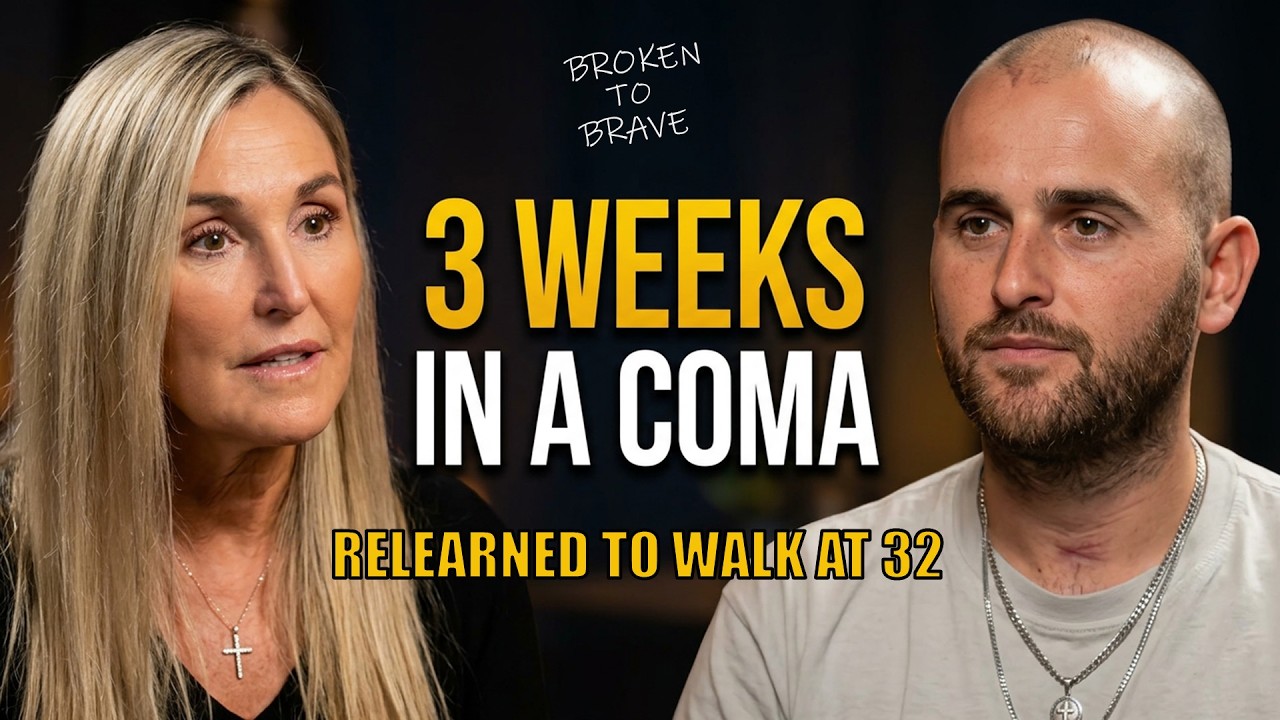
On October 11, 2024, Vincent Van den Broeck was riding an e-scooter and crossing a street when a car struck him. He has no memory of the collision. He was thrown from the impact, sustained a severe head injury, and remained in a coma for three weeks.
Waking up was not a cinematic moment of instant clarity. Vincent describes the first weeks as disorienting and overwhelming. His sense of time was distorted. Sitting upright required enormous effort. Speech was difficult, and ordinary activities were suddenly beyond reach.
At 32, he had to relearn how to walk, talk, and eat independently. Walking only a few meters felt, he says, like running a marathon. The scale of recovery was intimidating, but the next action was often small: sit up, take a step, try again.
That distinction matters. A life-changing goal can feel impossible when viewed as a single leap. Recovery becomes more workable when it is translated into the next concrete action.
Vincent van den Broeck’s Story
The Recovery Mindset: Ownership Without Denying the Pain
Vincent does not minimize what happened to him. He was a victim of a devastating accident, and the experience was physically and emotionally painful. His turning point was recognizing that remaining in a victim mindset would not move his recovery forward.
His wife, family, and close friends provided encouragement—and sometimes the direct challenge he needed. Their support did not replace his effort; it helped call that effort forward. As Vincent puts it, true friends do not always tell you what you want to hear. They tell you what you need to hear.
The mindset that had shaped Vincent before the accident became a resource during rehabilitation: keep going, take ownership, and refuse to make quitting the default. “Surviving and waking up was the bare minimum,” he says. The larger task was rebuilding a functional, meaningful life.
His experience also challenges the way people talk about success. Outsiders may admire the outcome while overlooking the repetitions, exhaustion, frustration, and support that produced it. Recovery is rarely one dramatic breakthrough; it is accumulated effort.
What Changed After the Accident? His Priorities
Vincent does not describe the accident as delivering a neat list of lessons. Instead, it exposed the gap between what he said mattered and what his calendar showed mattered.
Time with loved ones became nonnegotiable
Before the accident, work and business dominated his attention. He had missed important family moments, including his niece’s early birthdays. Today, dinner with his wife and time with the people he loves are protected commitments. If another opportunity conflicts, he is willing to reschedule it.
Physical training became a scheduled commitment
Exercise is now built into his calendar most days of the week. The point is not simply motivation; it is a standard. When time is reserved for health, it is treated like any other serious appointment.
Outside rules lost their authority
Vincent repeatedly asks: Who sets the rules? Social expectations, professional conventions, and other people’s definitions of success can quietly become a life plan. His response is to examine whether those rules fit the life he actually wants.
The result is a practical definition of authentic living: make choices that reflect your real values, then protect those choices with your time and behavior.
A Simple Framework for Moving Through Adversity
When Donna asks what advice he would give someone facing a potentially debilitating challenge, Vincent offers a deliberately simple process.
1. Define the destination
In five to ten words, write what “the other side” looks like for you. Make it specific and personal. Vincent’s early vision included walking, talking, eating independently, and returning to the work and communication that mattered to him.
2. Make the goal your own
Your definition should not belong to your family, friends, past circumstances, current limitations, or society. It should describe the life you genuinely want to move toward.
3. Plan the route
Translate the destination into the next manageable actions. A large outcome becomes less overwhelming when today’s job is simply to practice one skill, attend one appointment, complete one exercise, or ask for one form of support.
4. Expect setbacks
Vincent compares life to sport: elite athletes love the game, but they also understand that losing is part of it. A loss does not mean the game is over. In the same way, difficult days, mistakes, and reversals do not cancel progress.
5. Keep choosing the life you want
Plans may change, but agency remains. Vincent’s philosophy is not that everything happens for a predetermined reason. It is that people can give meaning to what happens through the way they respond.
Why Vincent Wrote Everything Feels Impossible Until It’s Done
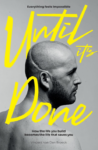
The idea for Vincent’s book began during rehabilitation, when his aunt encouraged him to write about what he was experiencing. The idea deepened as people told him that his mindset had helped him survive and recover.
The book’s central question is simple: Why not me? Vincent does not present himself as someone with superpowers. He believes the habits and standards that carried him through recovery can help other people question the limits they have accepted.
Its message is captured in the subtitle: How the Life You Build Becomes the Life That Saves You. The qualities developed before a crisis—discipline, relationships, standards, self-belief, and purpose—can become resources when life changes without warning.
Recovery Does Not Require Returning to the Exact Same Life
Vincent considers himself recovered, while acknowledging that the accident still has consequences. He developed focal epilepsy, with seizures affecting his left arm. His story therefore does not frame recovery as erasing every effect of trauma. Instead, recovery means building a full life while responsibly living with what remains.
He would not rewrite his past. That does not mean the accident was desirable; it means he has chosen not to let regret own the meaning of his life. He describes himself as someone who loves “this thing called life”—the conversations, challenges, work, relationships, and ordinary daily moments.
How to Start Rebuilding Today
- Write one sentence: “The other side of this looks like…”
- Choose one action: Identify a step you can complete or schedule today.
- Name your support: Decide who can encourage you, challenge you, or provide professional help.
- Protect one priority: Put health, connection, or meaningful work on your calendar.
- Review without judgment: At the end of the week, note what helped and adjust the next step.
For recovery from a serious injury, these personal practices should complement—not replace—guidance from your medical and rehabilitation team.
The Central Lesson: Live Authentically Now
Vincent’s closing advice is direct: start living authentically now. There is no universal formula for what that life should look like in six months. The invitation is to stop organizing your life around judgment and inherited rules, and to begin making choices that align with what matters most.
You may not control the event that interrupts your plans. You can still influence the meaning you give it, the standards you set next, the help you accept, and the direction of your next step.
As Vincent’s story demonstrates, the “impossible” is often not one wall to break through. It is a sequence of small actions completed until the outcome has a new name: done.
Key Takeaways
- Define “the other side” of your challenge in five to ten words.
- Break that destination into small, repeatable actions.
- Accept honest support without surrendering personal responsibility.
- Treat relationships, health, and meaningful work as scheduled priorities.
- View setbacks as part of the process, not proof that you should stop.
- Choose an authentic life instead of one dictated by outside expectations.
Frequently Asked Questions
How do you rebuild your life after a traumatic accident?
Begin by defining what recovery means to you, then break that vision into small actions you can repeat. Use professional care, accept support, prioritize your health, and measure progress over time rather than by a single day.
What helped Vincent Van den Broeck recover?
Vincent credits a combination of rehabilitation, personal determination, the mindset he had built before the accident, and honest support from his wife, family, and friends. He emphasizes ownership while acknowledging the severity of his injuries.
How can mindset support recovery?
Mindset can help a person focus on controllable actions, persist through setbacks, and give meaning to difficult circumstances. It does not replace medical treatment, and recovery outcomes vary from person to person.
What does authentic living mean?
Authentic living means making choices that reflect your values rather than defaulting to social expectations or other people’s definitions of success. In practice, it means protecting the relationships, health, and work that matter most.
What is Vincent Van den Broeck’s book about?
Everything Feels Impossible Until It’s Done: How the Life You Build Becomes the Life That Saves You explores resilience, standards, self-belief, and the idea that the habits and relationships built before adversity can help carry you through it.
What is the first practical step when everything feels overwhelming?
Write a five-to-ten-word description of what “the other side” looks like for you. Then identify the smallest safe action that moves you toward it and schedule that action.
About the Conversation
This article is adapted from Donna Barnes’s podcast conversation with Vincent Van den Broeck. To hear the full discussion and learn more about Vincent’s book, watch the episode and use the book link https://link.amazon/B02aXY7M2