
Chemistry vs. Compatibility: What Really Makes a Relationship Last?
If you have ever felt an instant spark with someone and wondered whether that feeling means the relationship is “meant to be,” you are not alone. Chemistry is exciting. It can make a first date feel electric and give two people the motivation to keep exploring a connection. But chemistry alone does not make a relationship last.
The truth is that strong relationships need both chemistry and compatibility. Chemistry may get your attention, but compatibility is what helps a couple communicate, repair conflict, feel emotionally safe, and keep choosing each other over time.
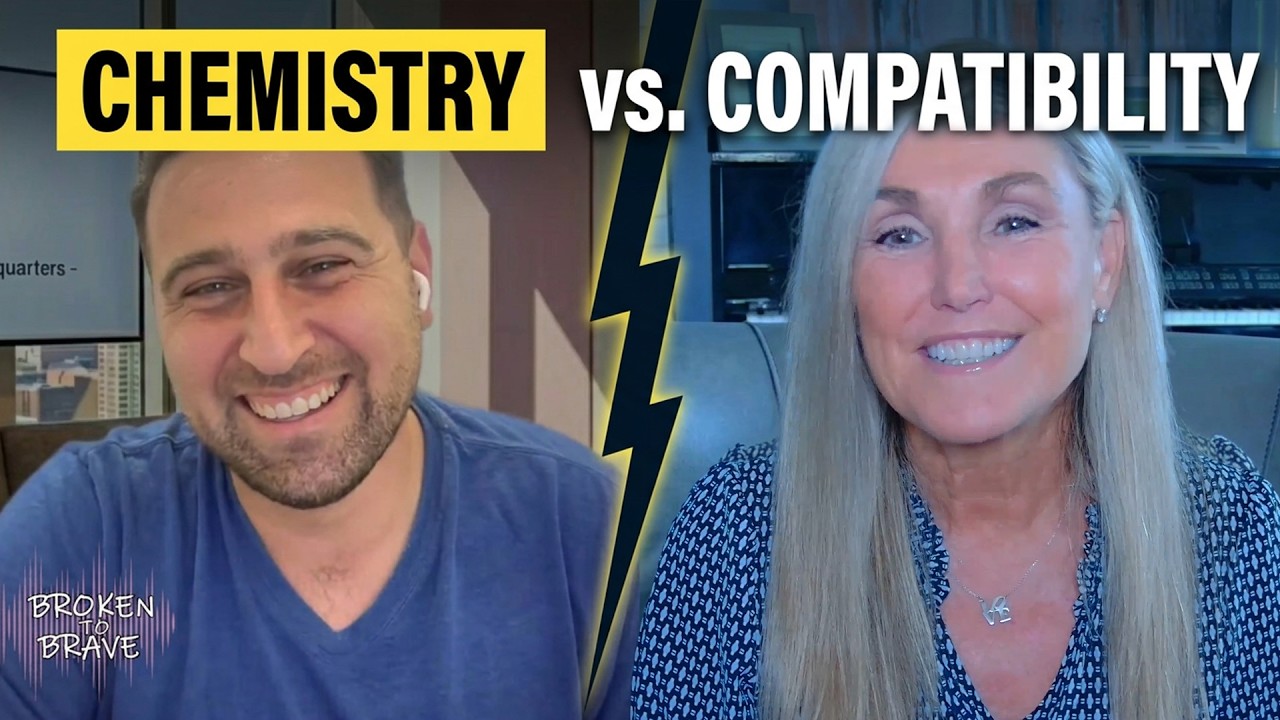
Donna Barnes spoke with Lior Illouz, CEO & founder of Bonds, about attraction, communication, conflict, vulnerability, and what helps couples build lasting love.
Quick Answer: Is Chemistry or Compatibility More Important?
Compatibility is more important for long-term relationship success, but chemistry still matters. Chemistry creates attraction and interest; compatibility helps partners build trust, communicate through disagreements, respect each other’s differences, and create a shared future.
What Is Relationship Chemistry?
Relationship chemistry is the feeling of attraction, curiosity, excitement, and ease that pulls you toward someone. It can show up as physical attraction, playful conversation, emotional charge, or the sense that you want to keep learning more about a person.
But chemistry can be misleading when it is mistaken for compatibility. Intense attraction can sometimes come from uncertainty, fantasy, or old emotional patterns—not necessarily from a person’s ability to love you well.
What Is Relationship Compatibility?
Relationship compatibility is not just having the same hobbies, political views, or personality traits. Real compatibility is the shared willingness to work on the relationship, communicate honestly, respect differences, repair conflict, and grow together as life changes.
You can be different from your partner and still be compatible if you both value emotional safety, curiosity, accountability, and the health of the relationship more than being right.
Why Chemistry Alone Often Fades
Chemistry can be powerful in the beginning, but it does not automatically teach two people how to handle disappointment, stress, parenting, work pressure, insecurity, or conflict. Many short-term relationships feel amazing for the first few months because attraction is high and real-life challenges have not yet tested the bond.
The first disagreement often reveals more about long-term potential than the first spark. How you argue, repair, listen, and reconnect matters more than whether the beginning felt effortless.
The First Fight Can Tell You a Lot
A couple’s first disagreement is not necessarily a red flag. In fact, it can be useful information. The important question is not whether you disagree, but how you disagree.
- Can you stay respectful when you are upset?
- Can you explain what you need without attacking?
- Can you listen without immediately defending yourself?
- Can you repair quickly instead of letting ego take over?
- Can the relationship become stronger because of the conversation?
Healthy conflict is not about winning. The only winner of an argument should be the relationship.
Compatibility Means Repair, Not Perfection
Lasting couples are not the couples who never have problems. They are the couples who know how to come back together after problems. Repair may look like pausing, apologizing, naming what was really going on, setting a boundary, or saying, “I misunderstood you. Can we try that conversation again?”
When both partners prioritize repair over pride, conflict becomes a doorway to deeper intimacy instead of a reason to disconnect.
Stop Making Assumptions About Your Partner
One of the most common relationship problems is assuming you know what your partner is thinking or feeling. When someone pulls away, stops initiating affection, needs time alone, or reacts differently than expected, it is easy to fill in the blanks with fear.
Instead of turning fear into a fact, turn it into a question. Try asking: “I noticed this changed, and I’m feeling insecure about it. Can you help me understand what is going on?”
Your imagination is not always your friend in relationships. Curiosity creates clarity. Assumptions create distance.
Do I Feel Loved?
One of the most important questions to ask in any relationship is simple: “Do I feel loved?” Your relationship should feel like a safe place to land. That does not mean your partner will meet every need perfectly, but it does mean the overall emotional experience should feel caring, secure, and mutual.
If the answer is consistently no, the relationship needs honest attention. Sometimes the issue is a communication pattern. Sometimes it is neglect. Sometimes it is a mismatch in emotional availability. Either way, the question deserves to be taken seriously.
Why Vulnerability Deepens Compatibility
Vulnerability is scary because it gives your partner access to the truth beneath your reactions. But vulnerability is also where real emotional intimacy begins. When one person is brave enough to say, “I’m afraid of getting hurt,” or “This is a trigger for me,” it often gives the other person permission to be honest too.
That kind of honesty can shift a relationship from guessing and defending to understanding and connecting.
How Technology Can Support Relationship Growth
Modern relationship tools can help couples practice communication, identify assumptions, set reminders for healthier actions, and stay accountable between deeper conversations or therapy sessions. Apps like Bonds are designed to sit in the middle space between casual advice and formal therapy by helping people turn insight into action.
Technology cannot replace emotional courage, personal responsibility, or professional help when needed. But the right tool can make growth more accessible, especially when it helps users practice real conversations instead of simply collecting information.
Practical Relationship Questions to Ask Yourself
- Am I more attached to the spark than the person’s character?
- Do I feel emotionally safe with this person?
- Can we disagree without cruelty?
- Does this person care about how their behavior affects me?
- Do we both want to grow, repair, and understand each other?
- Can I imagine a real future with this person—not just an exciting beginning?
Final Takeaway
Chemistry is wonderful, but compatibility is what helps love survive real life. The strongest relationships are built on attraction, friendship, respect, communication, vulnerability, and the shared desire to keep choosing each other—even when things get hard.
If you want a lasting relationship, do not only ask, “Do I feel chemistry?” Ask, “Can we love each other well?”
FAQ: Chemistry, Compatibility, and Lasting Relationships
Can chemistry grow over time?
Yes. Chemistry can grow when two people feel emotionally safe, respected, curious, and connected. Sometimes the strongest attraction develops after friendship, trust, and emotional intimacy have had time to build.
Is compatibility the same as having things in common?
No. Having things in common can help, but compatibility is deeper. It includes shared values, emotional maturity, communication style, willingness to repair, and the ability to build a future together.
What matters more in a relationship: attraction or communication?
Both matter, but communication is more important for long-term success. Attraction may bring two people together, but communication helps them stay connected through conflict, stress, and change.
How do you know if someone is compatible with you?
You may be compatible if you feel emotionally safe, can communicate honestly, share core values, respect each other’s differences, and both want to work on the relationship instead of avoiding hard conversations.
Can relationship apps really help couples?
Relationship apps can help when they encourage reflection, accountability, communication practice, and real-life action. They are not a replacement for therapy, but they can support couples who want practical tools between conversations or sessions.