
Richard Bey on HBO’s “Bring Me the Beauties,” 1980s New York, Cults, Fame, and the Families We Choose
Introduction
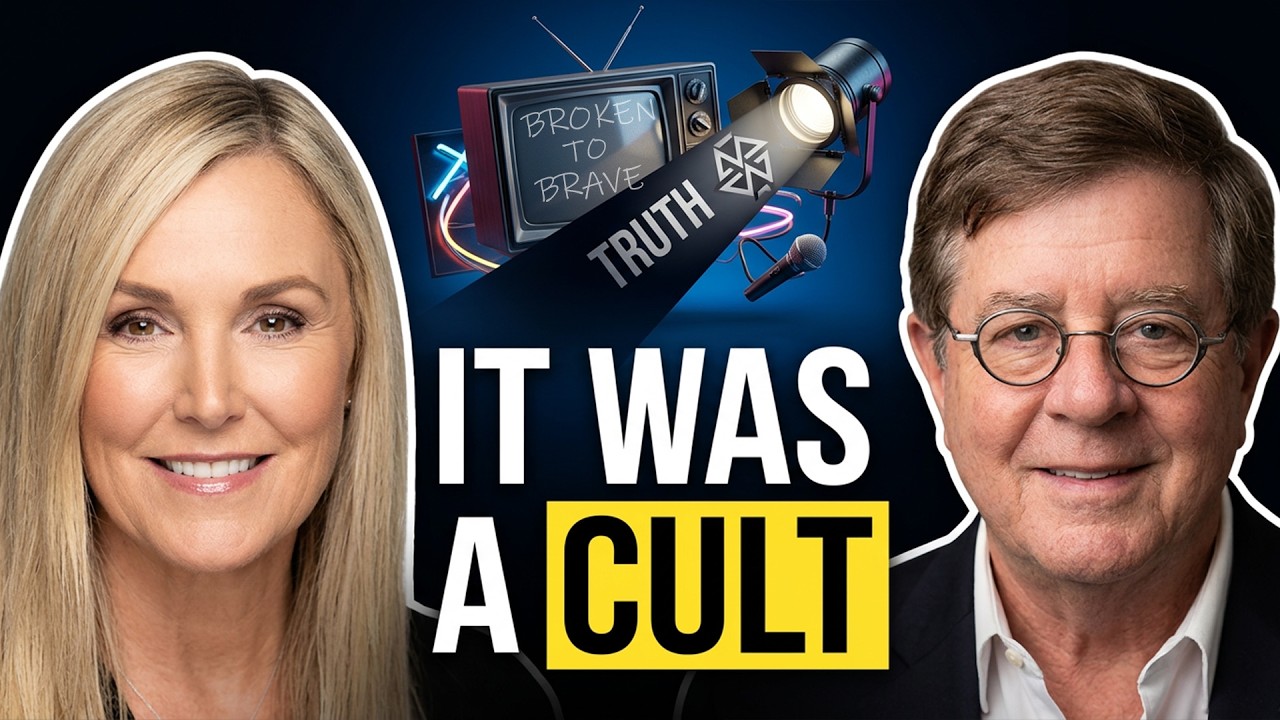
In this episode of Broken to Brave, I sit down with my longtime friend Richard Bey, the legendary television host known for People Are Talking, 9 Broadcast Plaza, and The Richard Bey Show. We first crossed paths in New York during the electric, unpredictable world of the 1980s and 1990s, and this conversation became both a reunion and a time capsule.
Richard appears in HBO’s documentary series Bring Me the Beauties: A Model Cult, which revisits the story of Eternal Values, a New Age group led by Frederick von Mierers that drew in models, actors, and young professionals with promises of purpose, belonging, and spiritual enlightenment.
But our conversation goes far beyond one documentary. We talk about cult psychology, the power of manipulation, the wildness of old New York nightlife, career opportunities that come from being in the right place at the right time, love, regret, grief, adoption, and the families we choose.
Key Takeaways from This Episode
- Richard Bey reflects on interviewing Frederick von Mierers and members of Eternal Values before the group became widely known through HBO’s Bring Me the Beauties.
- We discuss why intelligent, beautiful, successful people can still be vulnerable to cult dynamics and manipulation.
- Richard and I revisit 1980s and 1990s New York nightlife, television, modeling, and celebrity culture.
- The conversation explores how success often comes from preparation meeting opportunity.
- We talk candidly about love, aging, chosen family, adoption, grief, and what truly makes someone “family.”
Richard Bey, HBO’s “Bring Me the Beauties,” and the Eternal Values Cult
One of the reasons I wanted to speak with Richard now is because he is featured in HBO’s Bring Me the Beauties: A Model Cult. The documentary examines Eternal Values, a group led by Frederick von Mierers, who claimed to have a connection to the star Arcturus and convinced followers that they were “walk-ins,” or alien identities inhabiting human bodies.
Richard remembers interviewing von Mierers and his followers on television and being struck by how deeply they believed the story. He described the followers as beautiful, educated, and often from privileged backgrounds—yet still searching for meaning, belonging, and identity.
That is one of the most important lessons in this episode: vulnerability does not always look obvious. Sometimes people who appear confident, successful, and glamorous are still deeply susceptible to manipulation if someone offers them purpose at the right moment.
Why Cults Can Be So Persuasive
Richard and I talked about the power of group thinking. When a person is isolated, uncertain, grieving, young, or longing to belong, a charismatic leader can create a reality that becomes difficult to question. Add group reinforcement, emotional pressure, and the promise of special knowledge, and the manipulation becomes even stronger.
We also discussed how people from broken or unstable backgrounds may be especially drawn to communities that feel like family. Belonging is powerful. If someone feels seen, chosen, or spiritually important, they may overlook red flags that would otherwise seem obvious.
That is why conversations about cults should not be framed around “How could anyone believe that?” A better question is: “What need was being met, and what vulnerability was being exploited?”
Old New York: Modeling, Television, Nightlife, and Reinvention
Richard and I have both lived many lives in New York. I came to the city through modeling after starting in Philadelphia, eventually landing work in commercials, magazines, music videos, and television. Richard moved between acting, broadcasting, radio, and talk shows, building a career on instinct, timing, and the ability to connect in the moment.
We reminisced about clubs, restaurants, auditions, agents, and the strange way opportunity used to happen in person. You could meet someone at a restaurant, bump into a producer, run into a celebrity, or be invited into a moment that changed the direction of your life.
For Richard, one of those moments came when he auditioned for a CBS show after being encouraged by a girlfriend. He told a vivid story on camera, got hired, and began his television career. For me, one of those moments came through a chance late-night meeting with John Quiñones, which led to my work as a relationship expert on ABC’s What Would You Do? and eventually Good Morning America.
Preparation Meets Opportunity
One of my favorite themes in this conversation is the idea that success may look sudden from the outside, but it usually comes from years of preparation. Richard put it beautifully: you may not be able to plan every opportunity, but you can train yourself so that when the opportunity arrives, you are ready to hit the ball out of the park.
I have always loved the expression, “The person who was discovered overnight wasn’t sleeping.” Whether it is modeling, acting, television, coaching, or any creative career, people often see the lucky break but not the years of work behind it.
Love, Regret, and the Relationships That Shape Us
Because I am a relationship coach, the conversation naturally turned toward love, commitment, chemistry, and the relationships that stay with us. Richard spoke candidly about loving women deeply while not necessarily feeling built for marriage. I shared stories about relationships I thought might become forever, including the grief of losing not just a partner but also the family attached to him.
Sometimes the loss of a relationship is also the loss of a world: Sunday dinners, family traditions, familiar voices, and the sense of belonging that came with someone else’s people. When you come from a background where family has been complicated or fragmented, that kind of loss can feel especially deep.
We also talked about the reality that life rarely unfolds according to plan. As John Lennon famously said, “Life is what happens when you’re busy making other plans.” The relationships that did not work out still shaped who we became.
Chosen Family, Adoption, and What “Real Family” Means
One of the most meaningful parts of this episode was our conversation about family. Richard shared the story of helping raise a boy named Kyle from early childhood and loving him not “like” a son, but as a son. He taught him to ride a bike, tie his shoes, read, swim, and navigate school challenges. That kind of love is not theoretical. It is active, daily, and deeply real.
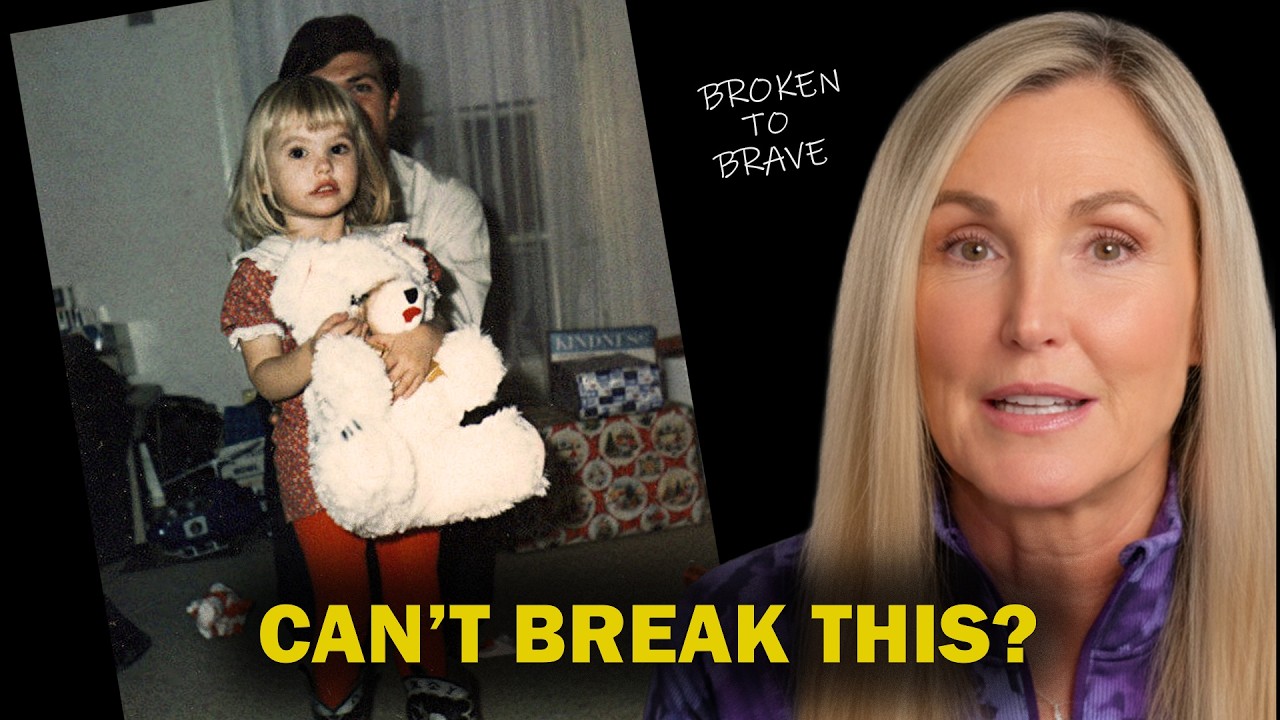
I also shared that I was adopted, and that my parents—Les and Audrey Barnes—were my real parents. They did not give birth to me, but they loved me, raised me, and chose me. I have always believed that blood does not make family; love, presence, and commitment do.
Later in life, I connected with biological relatives, including a full-blood brother with whom I share a very special bond. That experience gave me even more family, not less. It also reinforced something I have always known: family can come through biology, adoption, friendship, marriage, stepfamilies, and the people who simply keep showing up.
Aging, Memory, Music, and Staying Connected to Yourself
Richard also spoke about practicing piano every day as a way to stay mentally sharp. After years in theater, television, and radio, music has become a grounding practice for him. He joked that at a certain age, everything becomes “for your age”—you look good for your age, you are sharp for your age, you are active for your age.
But what came through most clearly is that curiosity keeps people alive. Richard still plays music, still reflects on his work, still tells stories with extraordinary detail, and still shows up for the people he loves. That is not just aging well. That is living fully.
What This Conversation Is Really About
On the surface, this episode is a conversation with Richard Bey about HBO’s Bring Me the Beauties, television, modeling, and old New York. But underneath, it is about something deeper: how people search for belonging, how easily that longing can be manipulated, and how healing often comes from reclaiming your own story.
It is about the difference between being controlled and being loved. It is about the families we are born into, the families we are adopted into, and the families we build through loyalty, forgiveness, and care. It is about the unpredictable path of a life fully lived.
FAQ
Who is Richard Bey?
Richard Bey is a television and radio personality, actor, and former talk show host known for People Are Talking, 9 Broadcast Plaza, and The Richard Bey Show. He also has a long background in theater and studied at Yale Drama School.
What is “Bring Me the Beauties: A Model Cult” about?
Bring Me the Beauties: A Model Cult is an HBO documentary series about Eternal Values, a New Age group led by Frederick von Mierers that attracted models, actors, and young professionals. The series explores manipulation, belief, identity, and the aftermath for former members.
What did Richard Bey say about Frederick von Mierers?
Richard recalled interviewing von Mierers and challenging his claims on television. He described being struck by the intensity of the followers’ beliefs and the power of group influence.
What are the main themes of this episode?
The episode explores cult psychology, 1980s and 1990s New York, television careers, modeling, love, regret, adoption, chosen family, aging, grief, and the importance of belonging without losing yourself.
Listen to the Full Conversation
If you enjoy candid conversations about relationships, resilience, culture, and the stories that shape us, watch or listen to the full episode of Broken to Brave with Donna Barnes and Richard Bey.
Subscribe to Broken to Brave for more honest conversations about love, healing, personal growth, and becoming brave after life breaks you open.