
Are You Unlucky in Love or Choosing the Wrong Partners? How to Break the Pattern
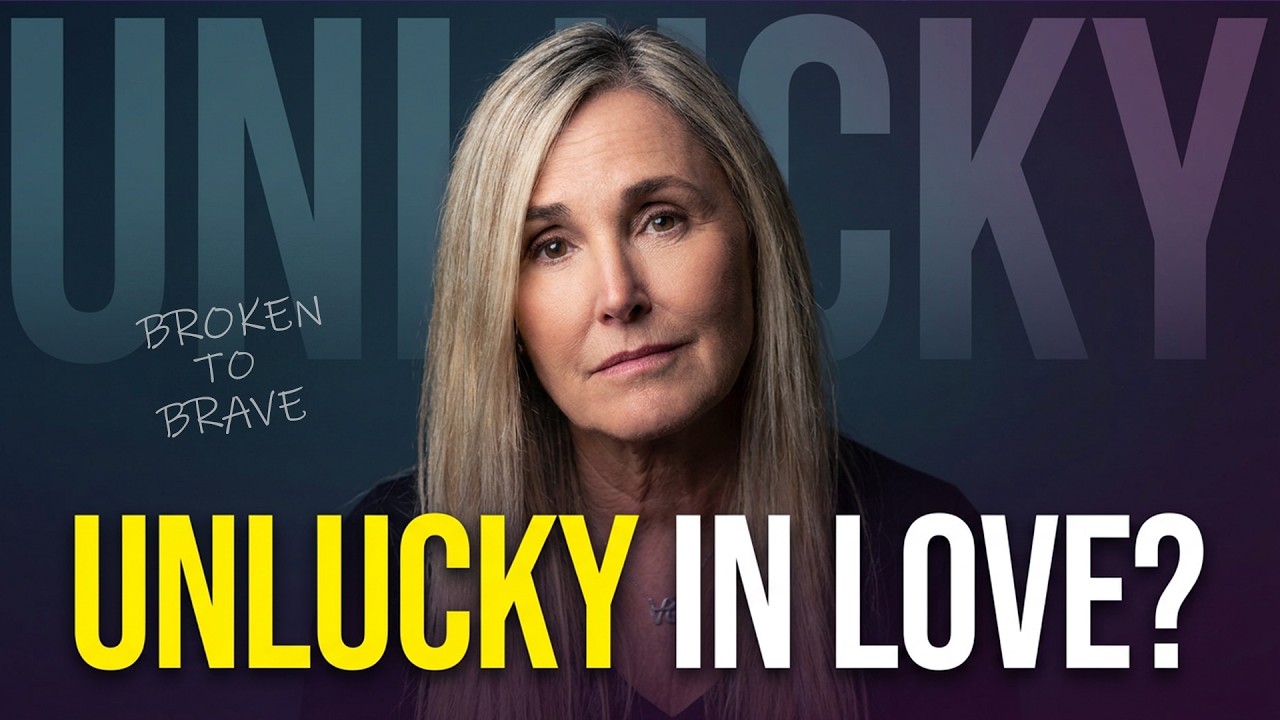
If you’ve been telling yourself that you’re unlucky in love, it may be time to ask a harder—but more empowering—question: are you actually attracting the wrong partners over and over again?
Many people who feel chronically rejected in relationships are not simply victims of bad luck. More often, they are unconsciously drawn to people who cannot truly stay, commit, or meet them emotionally.
That realization can feel uncomfortable, but it is also freeing—because if your dating life is shaped by patterns, then those patterns can change.
Why You May Keep Choosing Unavailable Partners
As a relationship coach, I’ve seen this pattern in clients again and again—and I’ve lived it myself. People who end up with emotionally unavailable partners usually don’t realize that’s what they’re choosing. On the surface, these people often seem interested, engaging, and emotionally present—at least in the beginning.
But if you consistently end up chasing love, feeling uncertain, or getting attached to people who cannot fully show up, it’s worth asking whether part of you feels safer with the chase than with true intimacy.
Sometimes the deeper issue isn’t that you can’t find love—it’s that deep down, closeness feels risky. If someone really gets to know you, will they stay? Will they reject you? Those fears can quietly drive you toward relationships that never become truly secure.
Emotionally unavailable people rarely announce themselves that way. In fact, they can seem highly appealing at first. That’s what makes this pattern so easy to miss.
The Hidden Role of Commitment Issues
There are obvious cases of unavailability—such as dating someone who is already committed elsewhere—but many commitment issues are far more subtle. Often, people who struggle with commitment deeply believe they want love and stability. That’s why they rarely identify themselves as avoidant or unavailable.
The problem is not always conscious. Sometimes the heart wants closeness while the subconscious fears it. That conflict can create powerful attraction to relationships that are intense, uncertain, or ultimately unsustainable.
If you view your love life only through the lens of bad luck, you stay stuck in a powerless story. But when you begin to examine your choices, patterns, and blind spots, you step back into your power.
High Expectations vs. Healthy Boundaries
One of the most important shifts you can make is learning the difference between high expectations and healthy boundaries. High expectations often come from fantasy or control. Healthy boundaries come from self-knowledge, self-respect, and clarity about what truly works for you.
Healthy boundaries mean understanding your wants, needs, and deal-breakers—and honoring them calmly, consistently, and without apology.
How to Identify Your Relationship Patterns
If you want a different outcome in love, start by looking closely at the patterns in your past relationships. Ask yourself: what traits have I repeatedly been drawn to, even when they did not serve me?
A powerful exercise is to write down the names of past partners and list their defining characteristics—both positive and negative. Then do the same for the important adults from your childhood, including parents, caretakers, siblings, or mentors.
Patterns often become obvious when you do this. You may notice that the people you are drawn to mirror familiar emotional dynamics from early life. What feels exciting is often simply what feels familiar.
Why Familiar Dysfunction Can Feel Like Chemistry
Many of us confuse familiarity with compatibility. If chaos, volatility, or inconsistency were normal in your early relationships, those dynamics may feel strangely attractive later in life—even when they are unhealthy.
The truth is that chemistry is not always a sign that something is right. Sometimes it is a sign that something is familiar. And familiar does not always mean safe, loving, or sustainable.
When you begin choosing partners with integrity, steadiness, and emotional maturity, the attraction may feel different at first. But over time, that kind of connection often creates the security and depth that lasting love requires.
How to Stop Ignoring Red Flags
If you struggle to keep relationships, one of the first habits to change is your response to red flags. Most people can look back after a breakup and identify moments early on that clearly foreshadowed the ending.
People reveal themselves. The key is paying attention—and resisting the urge to make excuses because you want the connection to work.
When you see a red flag, don’t brush it aside. Bring it up, have the conversation, and observe whether the other person is willing to reflect, take accountability, and grow. That willingness matters.
Staying with the wrong person too long does more than prolong pain—it can also keep you unavailable for the right relationship when it comes along.
Choose Self-Awareness Over Blame
If you are trying to understand why relationships haven’t worked, focus less on what the other person did wrong and more on why you chose them, why you stayed, and what you overlooked.
That is not about self-blame. It is about self-awareness. And self-awareness is what gives you the power to make different choices moving forward.
Final Takeaway: It’s Not About Luck
If you feel unlucky in love, the answer may not be luck at all. It may be a set of emotional habits, attraction patterns, and blind spots that are keeping you attached to the wrong people.
The good news is that patterns can be changed. When you become more honest about what draws you in, more aware of red flags, and more committed to healthy boundaries, you create the conditions for a relationship that can actually last.
Real love is not about chasing what feels dramatic. It is about choosing what is healthy, steady, and emotionally available.