
By Donna Barnes, The Love Coach | Broken to Brave Podcast
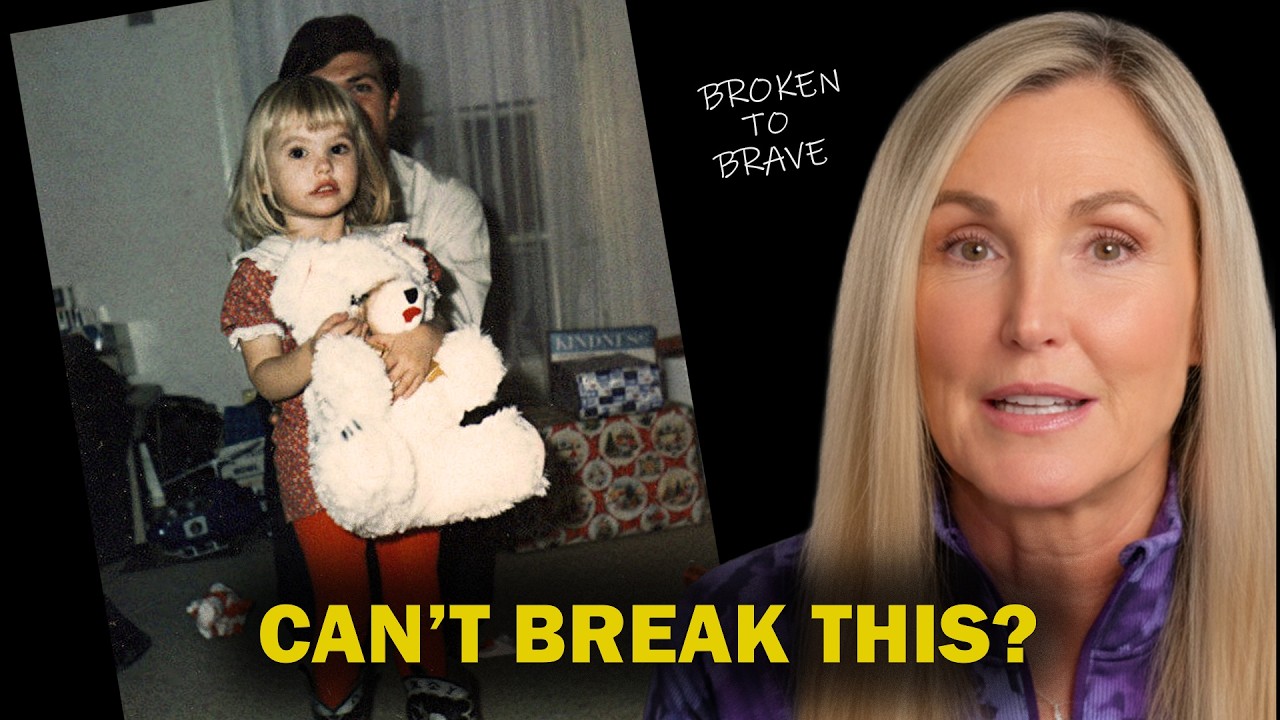
Most people spend their entire lives unconsciously dating their parents’ unresolved trauma—and they have no idea they’re doing it.
If you grew up in dysfunction, chaos, or emotional instability, your nervous system learned to normalize it. And unless you intentionally interrupt those patterns, you will keep recreating them in your adult relationships—no matter how much you want something different.
Breaking generational cycles isn’t about blame. It’s about awareness, emotional responsibility, and behavioral change.
And yes—no matter what you came from—you can change it.
Nature vs. Nurture: Why Your Childhood Still Shows Up in Your Love Life
The long‑debated question of nature versus nurture isn’t an either/or situation.
From decades of study, lived experience, and clinical observation, it’s both:
- About 50% genetic
- About 50% environment
Your genetics may influence temperament, sensitivity, or addictive tendencies—but environment shapes behavior. And behavior is where change happens.
I was adopted at birth and didn’t meet my biological family until adulthood. That experience gave me a front‑row seat to what’s genetic and what’s learned. What I’ve learned is this:
All behavior can be changed—if you’re willing to do the work.
Generational patterns don’t break because you want them to. They break because you create new emotional boundaries and counter‑behaviors.
Why We Repeat Relationship Patterns (Even When They Hurt)
We get our relationship paradigm from our parents—whether we like it or not.
If love growing up looked like:
- Emotional volatility
- Inconsistency
- Withdrawal or silence
- Rage or verbal attacks
- Physical intimidation
- Chaos followed by reconciliation
Your nervous system learned that this is love.
So as adults, we unconsciously seek the devil we know.
Healthy relationships feel boring to people who came from dysfunction—not because they are boring, but because their nervous system expects chaos.
This is why:
- You keep choosing unavailable partners
- You feel anxious when things are calm
- You sabotage good relationships
- You confuse intensity with intimacy
Habit Energy: The Strongest Force in Your Relationships
There is nothing stronger than habit energy.
Your childhood coping mechanisms didn’t disappear—they matured with you. And what once helped you survive as a child may now be destroying your adult relationships.
Even people who had “good” childhoods developed coping mechanisms. No family is dysfunction‑free.
The question is:
- Are your coping strategies helping you connect?
- Or are they protecting you from vulnerability?
Unaddressed childhood wounds are one of the root causes of emotional abuse, emotional avoidance, and repeated relationship failure.
Triggers: The Hidden Language of Your Inner Child
Triggers are not random. They are emotional echoes from your childhood.
When your reaction feels disproportionate to the situation, something older is being activated.
Examples:
- Someone cancels plans → you feel abandoned
- Your partner raises their voice → you shut down or explode
- You feel criticized → you go into defense mode
- Conflict feels unsafe → you avoid communication
Your adult partner didn’t create that reaction. Your nervous system did—based on history.
Healing happens when you:
- Identify your triggers
- Understand their origin
- Take responsibility for your response
- Develop counter‑behaviors
That’s how you stop letting your inner child run your adult relationship.
Boundaries Aren’t Just for Other People
Most people misunderstand boundaries.
Healthy boundaries aren’t just about how others treat you. They are about how you choose to behave.
That includes boundaries for:
- How you communicate when angry
- What you say during conflict
- How quickly you react
- Whether you escalate or pause
- Whether you soothe yourself before responding
One of the most powerful relationship skills you can develop is the pause.
Emotional intelligence research shows that the reactive part of the brain activates faster than the rational part. By the time logic arrives, damage is often already done.
You cannot unsay hurtful words—even if you apologize later.
Why “Good” Partners Sometimes Feel Wrong
Here’s one of the hardest truths to accept:
If chaos feels familiar, peace will feel uncomfortable.
People who grew up in dysfunction often leave healthy partners—not because the partner is wrong—but because the relationship doesn’t match their internal wiring.
This leads to:
- A pattern of short‑term relationships
- Choosing intensity over compatibility
- Feeling “chemistry” with unstable partners
- Questioning healthy love
The healthier you become, the healthier partner you attract.
Like attracts like—emotionally, not consciously.
Breaking Generational Cycles Requires Strategy, Not Just Desire
People say:
“I don’t want to end up like my parents.”
But wanting something different is not the same as creating something different.
Breaking generational cycles requires:
- Self‑awareness
- Emotional accountability
- Therapy or coaching support
- Willingness to be uncomfortable
- Consistent behavioral change
People who refuse to change eventually start blaming their partners. People who do the work build relationships that feel safe, calm, and emotionally intimate.
Your Triggers Are Your Roadmap to Healing
Your triggers aren’t weaknesses. They’re instructions.
When you understand them:
- Conflict de‑escalates faster
- Communication improves
- Your partner feels safer with you
- You stop personalizing everything
- You respond instead of react
You don’t need to be perfect. You need to be responsible.
Growth looks like noticing your reaction, owning it, and repairing when needed.
How to Start Building the Healthy Relationship You Deserve
If you want a different relationship than the one you grew up watching, start here:
✔ Identify your emotional triggers
✔ Develop counter‑behaviors
✔ Set internal boundaries
✔ Learn emotional regulation
✔ Choose growth‑oriented partners
✔ Do the inner work consistently
I created my online course My Best Me specifically to guide people through this process—because nobody teaches us how to unlearn dysfunction.
Healthy love is a skill. And skills can be learned.
Final Thoughts
No family system is unchangeable. No behavior is permanent. No pattern is destiny.
If you commit to self‑growth, emotional responsibility, and conscious boundaries, you can absolutely break generational cycles—and create the healthy, loving relationship you never saw growing up.
If this resonates with you, I’d love to hear:
- What triggers have you noticed in yourself?
- Where do you think they originated?