
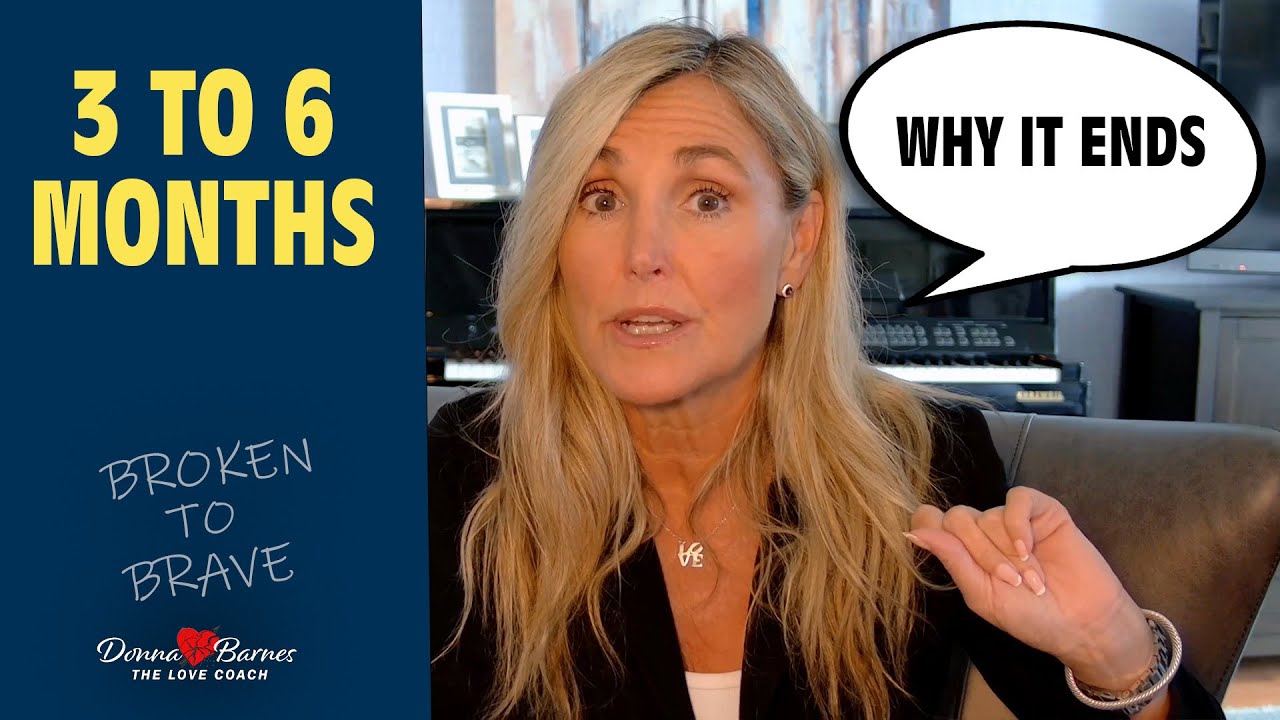
Why Do Most Relationships End After 3 to 6 Months?
Most relationships don’t fail because there’s no chemistry. In fact, many end because the chemistry is so strong in the beginning.
When you first meet someone you feel excited about, everything can feel magical. The connection is intense, the attraction is strong, and it’s easy to believe you’ve found “the one.” But if your relationship hasn’t passed the six‑month mark yet, it’s important to pause—not the relationship, but your emotional pace.
Statistically and psychologically, the early months of dating are when relationships are most vulnerable. Understanding why can help you avoid heartbreak and dramatically improve your chances of building something real and lasting.
The Biggest Mistake People Make in New Relationships
One of the most common reasons relationships fail early is moving too fast emotionally.
When one person becomes overly invested too quickly, it can create an imbalance. Relationships are like a seesaw—they need emotional balance to work. If one person is far more enthusiastic than the other, it can unintentionally push the other person away.
This doesn’t mean you should hide your feelings or avoid being emotionally available. It means learning how and when to express them.
Things that start with a hot flash often burn out fast.
Early intensity can feel like love, but it’s usually infatuation, chemistry, or emotional projection—not love yet.
Why Chemistry Isn’t Enough
Chemistry is powerful, but chemistry alone doesn’t sustain a relationship.
In the beginning, attraction and shared interests can create a strong bond. But over time, what truly determines success is lifestyle compatibility, not just common hobbies or surface‑level similarities.
You can enjoy the same activities, share laughs, and feel deeply attracted to someone—but still discover that:
- Your values don’t align
- Your long‑term goals are different
- Your daily lifestyles clash
These differences often reveal themselves after the initial excitement fades—usually within that 3‑to‑6‑month window.
Unresolved Issues and Emotional Baggage
Another major reason relationships fail early is unresolved personal issues.
We all have them. The problem is that whatever need is most dominant in someone’s life will always demand their attention.
For example:
- If someone’s main desire is to find a partner, that need may feel “resolved” once they’re in a relationship.
- Then their next unresolved issue—career stress, emotional healing, family conflict, or an ex—moves to the forefront.
This shift can feel like emotional withdrawal to their partner, triggering insecurity, confusion, and conflict.
One of the biggest red flags? 👉 Someone who isn’t fully over their ex.
No matter how much chemistry exists, a person who isn’t emotionally available cannot build a healthy relationship.
Why Fantasy Hurts Relationships
Your imagination is not your friend in early dating.
Fantasizing about the future, labeling the relationship too soon, or assuming commitment before it’s been established pulls you out of reality. It creates expectations that haven’t been earned yet—and expectations are often what lead to disappointment.
Love grows through time, shared experiences, and consistency, not mental highlight reels.
How to Make a Relationship Last Beyond 6 Months
While most relationships end early, many do last a lifetime. The difference is intentional behavior.
Here’s what actually works:
1. Slow the Pace
You don’t need to see each other constantly in the beginning. Allow space for curiosity and balance.
2. Don’t Lose Yourself
Losing your identity in a new relationship is one of the fastest ways to lose the relationship itself.
3. Communicate with “I” Statements
Healthy communication builds emotional safety.
- ❌ “You never listen to me.”
- ✅ “I feel unheard when this happens.”
This reduces defensiveness and encourages connection.
4. Set and Share Expectations Early
Your partner cannot read your mind. Loving someone does not magically grant mind‑reading abilities.
If something matters to you, say it.
5. Check Your Emotional Baggage
The more self‑growth work you’ve done, the less reactive you’ll be—and the healthier your relationships will become.
What Love Actually Is
Chemistry and attraction are not love yet.
Love develops when you:
- Get to know someone over time
- See how they handle stress, conflict, and responsibility
- Integrate into each other’s real lives—friends, family, routines
Love is built, not rushed.
Final Thoughts: You Can Be the Exception
Yes, most relationships only last three to six months—but that doesn’t mean yours has to.
When you slow down, stay grounded, communicate clearly, hold strong boundaries, and remain present, you dramatically increase your chances of creating a relationship that lasts.
Be intentional. Be emotionally aware. And most importantly—don’t rush what deserves time.