
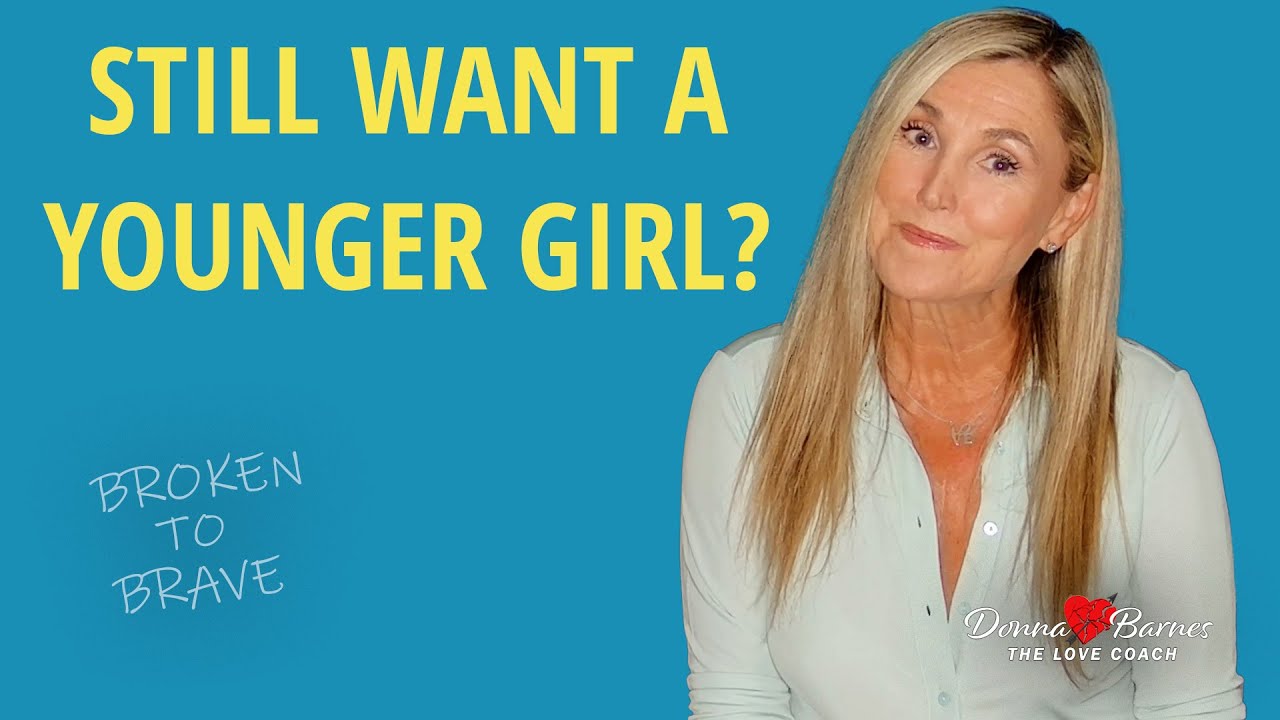
Is There an Expiration Date on Dating Younger? A Love Coach’s Honest Take
If you’ve spent most of your life dating people 10, 15, or even 20 years younger—and now you’re approaching your 60s or beyond—this may be a hard truth to hear:
There is an expiration date on consistently attracting much younger partners.
I’m Donna Barnes, The Love Coach and host of the Broken to Brave podcast. As a professional matchmaker, I’ve had this exact conversation with many men over the years. And because it comes up so often, it’s worth talking about openly, honestly, and without judgment.
Dating Younger as You Age: Why It Gets Harder
If you’ve always dated younger women, it can feel frustrating—or even shocking—when that suddenly becomes more difficult. One man once told me, “I’ve never dated someone my own age in my whole life.” Yet he joined a matchmaking service because he was struggling to find a partner.
Here’s the reality check many people don’t want to hear:
Just because you want someone doesn’t mean they want you.
That’s not meant to be cruel—it’s meant to be truthful. Attraction is mutual, and preferences shift as people age.
While dating someone 10 years younger might still be realistic for some, aiming for partners 20+ years younger often isn’t—especially later in life. Even if it worked for you in the past, that doesn’t guarantee it will work now.
The Other Side of the Dating Pool No One Talks About
As a matchmaker, I see another side of this story every day.
There are fabulous, attractive, energetic women in their 60s—women who have taken great care of themselves, feel young at heart, and genuinely want a life partner. Many of them come to matchmaking services hoping to meet someone close to their own age.
Unfortunately, they often run into the same issue:
Men their age are only looking significantly younger.
And that mismatch leaves a lot of great people alone—not because they’re undesirable, but because expectations are misaligned.
Age Is a Number—But Compatibility Is Everything
Here’s something worth considering before you automatically dismiss someone “too old” for you:
- Many women today look far younger than their chronological age
- They’re active, healthy, and emotionally mature
- They still have strong libidos and a real desire for partnership
- They want to travel, laugh, and share life with someone
I’m a runner myself—I’ve been running since fifth grade—and people are often surprised when they learn my age. Many women are the same way. Age doesn’t define vitality; lifestyle does.
The Problem With Large Age Gaps Over Time
Big age gaps can feel exciting at first—but they often create long-term challenges.
If you’ve ever dated someone 20 years younger, you already know:
- You’re from different generations
- You don’t share the same cultural references
- Life experiences don’t always align
And here’s the part many people overlook: the gap feels bigger over time, not smaller.
I’ve seen couples where one partner was 40 and the other 20—it worked then. But fast forward 20 years: now one is 70 and the other is 50. Fifty is still young and vibrant. Seventy may come with health, energy, and lifestyle limitations.
At that point, the younger partner often wants someone closer to their own age—and that’s not personal, it’s human.
The Question That Really Matters
If you’re single and struggling, ask yourself this honestly:
What’s more important to you—your ego or your happiness?
Would you rather:
- Hold out for someone much younger and remain alone, or
- Be open to someone closer to your age who’s attractive, fun, emotionally available, and truly enjoys spending time with you?
Commonality of life matters more as we get older. Shared values, shared memories, shared pace—it all adds up to deeper connection.
A Gentle Challenge
If you meet someone who:
- Looks great
- Has taken good care of themselves
- Is kind, interesting, and engaging
…but they’re a bit older than what you usually date—don’t count them out solely because of age.
That person might be exactly who you’ve been missing.
Sometimes, the key to finding love isn’t changing who you are—it’s adjusting what you think love is supposed to look like.