

By Donna Barnes, The Love Coach
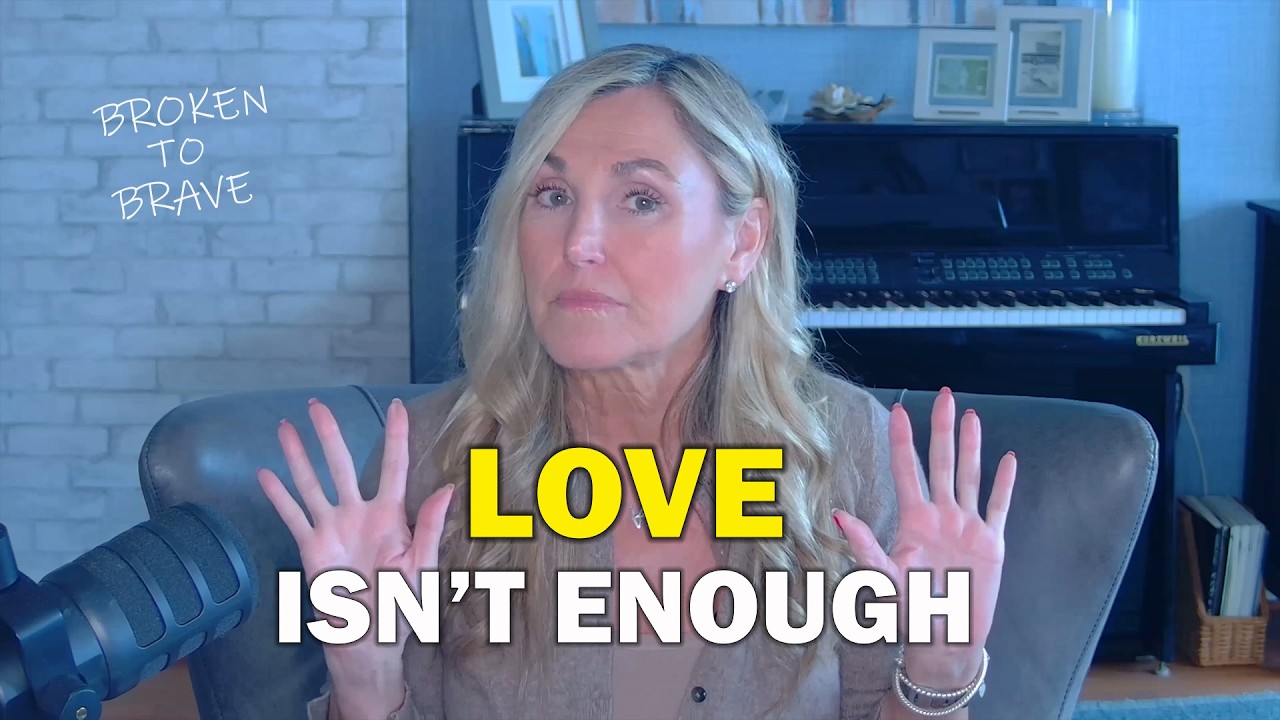
What if I told you that being in love is actually the worst reason to choose a life partner?
Most people choose a partner based on chemistry, attraction, and that intoxicating feeling of falling in love. While love absolutely matters, it’s not what makes a relationship last. In fact, relying on love alone is one of the biggest reasons relationships fall apart after just a few months.
If you’re dating seriously—or considering marriage—there are four critical factors that matter far more than love when choosing a life partner. These are the things you must vet before committing to a future together.
Let’s break them down.
Why Love Alone Isn’t Enough
Love is powerful. It’s exciting. It creates connection.
But love doesn’t fix incompatibility.
No matter how deeply you love someone, you cannot:
- Change how they handle conflict
- Fix their relationship with money
- Force emotional accountability
- Align completely different lifestyles
This is why so many relationships fail—even when both people genuinely care about each other.
Think of choosing a partner like hiring someone for the most important job of your life. You wouldn’t hire someone based on feelings alone. You’d look at qualifications, compatibility, and long-term fit.
Your relationship deserves the same level of care.
1. How You Resolve Conflict
Conflict style is the number one predictor of long-term relationship success—or failure.
Every couple argues. The real question is:
- Do you avoid conflict?
- Do you escalate it?
- Do you fight fair—or fight to win?
Most people don’t discover a partner’s true conflict style until after the first serious argument. By then, emotional attachment can make it incredibly difficult to walk away—even if the fighting becomes toxic.
This is how people end up stuck in unhealthy or abusive relationships.
Questions to Ask Early:
- How do you usually handle disagreements?
- What helps you calm down when you’re upset?
- How do you resolve conflict with people close to you?
People reveal themselves if you pay attention. Ask follow-up questions. Listen closely—not just to what they say, but how they say it.
Healthy conflict includes:
- Calm communication
- Accountability
- Willingness to pause and reset
If alcohol, anger, or defensiveness dominate conflict, that’s a serious red flag.
2. Financial Compatibility
Money is consistently one of the top causes of divorce—not because of income, but because of values and habits.
If one person is a spender and the other is a saver, resentment builds quickly. If someone lives beyond their means or avoids financial responsibility, the relationship will eventually pay the price.
Essential Money Conversations:
- How do you spend money?
- Do you save regularly?
- How much debt do you have?
- What does your ideal lifestyle look like?
- What are your retirement goals?
Money isn’t just about numbers—it’s about your emotional relationship with security, freedom, and control. Much of this comes from how you were raised.
Avoiding these conversations doesn’t protect the relationship—it sabotages it.
3. Emotional Accountability & Openness to Growth
One of the most important traits in a long-term partner is emotional maturity.
Ask yourself:
- Can they apologize?
- Do they take responsibility—or blame others?
- Are they open to feedback?
- Are they willing to grow?
A partner who says, “This is just who I am—take it or leave it” is telling you exactly how future problems will be handled: they won’t change.
Healthy relationships require:
- Self-awareness
- Accountability
- Willingness to seek help when needed
The only “winner” in an argument should be the relationship itself—not one person’s ego.
4. Lifestyle & Future Alignment
Love won’t solve incompatible life visions.
You must talk about:
- Whether you want children—and how you’ll raise them
- Career goals and long-term ambitions
- Willingness to relocate
- Work-life balance
- Family involvement and expectations
Many couples discuss if they want kids—but never discuss how they’ll parent. Others fall in love without realizing their careers or lifestyle goals pull them in opposite directions.
These differences don’t disappear with time—they get louder.
How to Vet a Partner Without “Coming On Too Strong”
You don’t need to interrogate someone on a first date. But you can ask thoughtful, subtle questions that reveal values and direction.
Examples:
- Is this something you see yourself doing long-term?
- What does your ideal life look like in five years?
- How important is family to you?
If someone is truly looking for a life partner, they’ll welcome these conversations—not avoid them.
Final Thoughts: Love Is Essential—but It’s Not Enough
Yes, you need love. But love alone doesn’t build a healthy, lasting relationship.
What truly makes relationships last is commonality:
- Shared values
- Aligned goals
- Compatible ethics
Deep, emotionally intimate conversations are how you discover whether someone can truly walk beside you for life.