

There Is No Reset Button in Relationships—But There Is a Way Forward
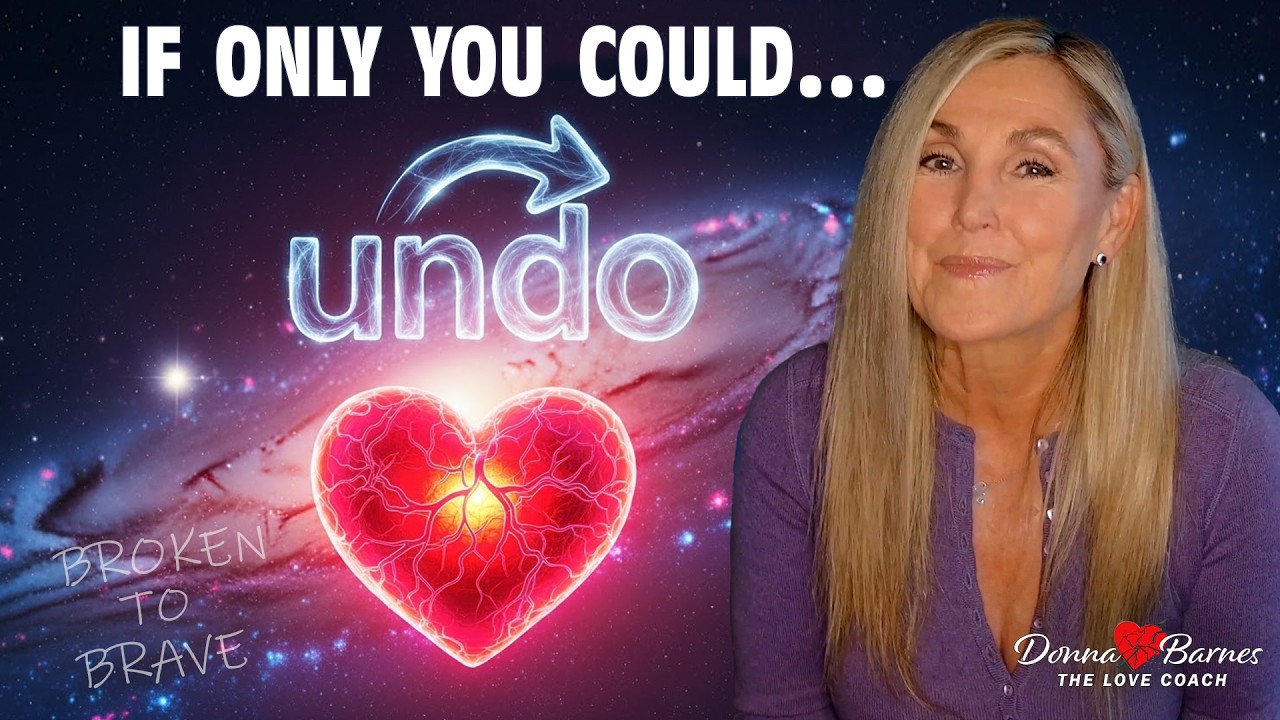
Don’t you sometimes wish relationships came with a reset button—just like a computer? An undo feature you could hit after saying the wrong thing, ignoring an important request, or making a mistake that cost you the relationship?
As a love and breakup coach, I hear this wish all the time. People come to me heartbroken, desperate to rewind time after their partner has finally walked away. They tell me, “If I could just fix this one thing…” or “I didn’t think they’d actually leave.”
But here’s the truth: there is no reset button in relationships. And while that can feel devastating, it’s also where real growth begins.
The Mistakes We Want to Undo Are Often the Lessons We Need Most
We all make mistakes—especially in relationships. Often, the biggest regrets come from ignoring repeated emotional or behavioral requests from a partner. Over time, unmet needs erode trust and safety. When someone finally leaves, it can feel sudden—but it rarely is.
I’ve coached countless people who realized after the breakup that their partner had been asking for the same thing all along. The painful reality is that by the time someone leaves, they’ve often already tried everything they knew how to try.
And while we can’t undo the past, we can learn from it.
Why There’s No Reset Button—and Why That’s Actually a Good Thing
If we could reset our lives every time something went wrong, we’d miss the lesson entirely. The relationships that didn’t work out are often our greatest teachers.
I’ve learned this firsthand. I’ve had multiple relationships, made plenty of mistakes, and learned something valuable from every single one. That experience—combined with education, therapy, and deep self‑reflection—is what makes me effective as a coach.
The goal isn’t to shame yourself for what went wrong. The goal is to ask:
- What was my part in this?
- What did I ignore, avoid, or mishandle?
- What would I do differently next time?
Blame Blocks Growth—Ownership Creates Change
Blame is one of the biggest obstacles to healing. When you focus solely on what your partner did wrong, you miss the opportunity to grow.
No one can make you react a certain way. You always have a choice—even when emotions are high. Owning your responses doesn’t mean excusing someone else’s behavior; it means reclaiming your power.
Growth begins the moment you stop blaming and start reflecting.
Emotional Intelligence: The Pause That Can Save a Relationship
One of the most valuable skills in relationships is impulse control.
Our emotional brain reacts instantly, while the rational part of our brain takes a few extra moments to catch up. Unfortunately, by the time logic arrives, damage is often already done.
That’s why slowing down is everything.
- Write the message—but don’t send it.
- Say nothing instead of escalating an argument.
- Give yourself time before responding emotionally.
Words cannot be unheard. And some things, once said, permanently change how safe a relationship feels.
You Can’t Unsay Words—And Apologies Don’t Erase Them
Angry words leave lasting marks. You can apologize a thousand times, but people remember what was said—because on some level, it came from a real place.
A loving relationship should be a place of emotional safety. Saying things just to hurt, even in the heat of the moment, can permanently damage that bond.
Some mistakes don’t get a second chance—and that’s why awareness before reacting matters so much.
The Real “Reset Button” Is Self‑Reflection
If you’re looking for a true reset, try this exercise:
- Write down the things you regret doing or saying.
- Remove all references to what your partner did.
- Focus only on your choices, reactions, and behaviors.
- Ask what those moments can teach you.
You can’t change yesterday—but you can change your future.
How Past Mistakes Can Create Better Future Relationships
Every failed relationship contains valuable insight. The people who build the healthiest partnerships later in life are often those who’ve reflected deeply on what didn’t work before.
The goal isn’t perfection. It’s progress.
When you slow down, regulate your emotions, and learn from your past, you don’t need a reset button—you become wiser, calmer, and more intentional in love.
Final Thoughts
There is no undo button for relationships. But there is growth, accountability, and the opportunity to build something better next time.
If you’re struggling to unpack a breakup, understand patterns, or learn how to respond differently in relationships, coaching can help. Sometimes it takes an outside perspective to spot what we can’t see ourselves.
Your past doesn’t define you—but what you learn from it absolutely shapes your future.