

Can You Have Attractive Friends of the Opposite Sex While in a Relationship?
By Donna Barnes, The Love Coach
Broken to Brave Podcast
Introduction: Why This Topic Ends So Many Relationships
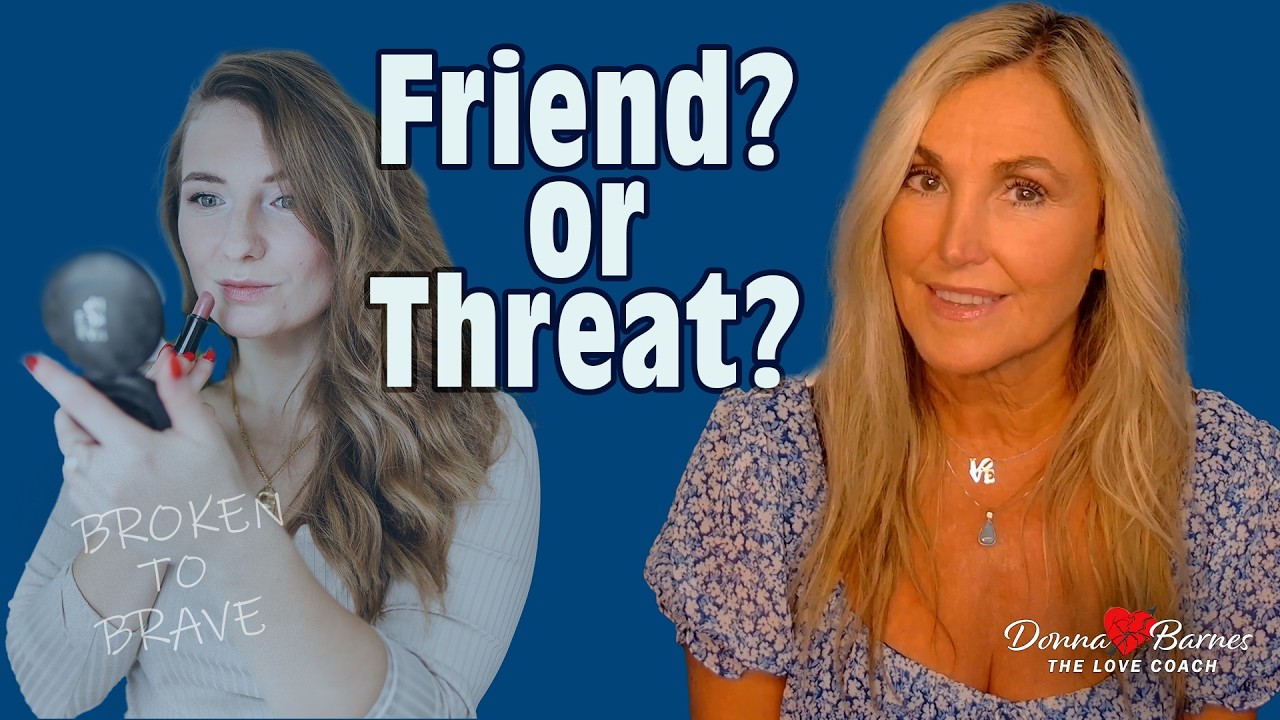
Would you be okay with your partner hanging out with their very attractive friend of the opposite sex?
This question alone has ended countless relationships—and today, we’re going there.
As a dating coach and relationship expert, I see this issue come up again and again. Some people believe opposite‑sex friendships are completely harmless. Others see them as emotional affairs waiting to happen. The truth, as always, lives in the gray area—and it all comes down to trust, boundaries, and behavior.
Let’s unpack what healthy friendships look like when you’re in a committed relationship—and when those friendships become a slippery slope.
Trust Is the Foundation of Every Relationship
At its core, this issue isn’t about your partner’s friend—it’s about trust.
Ask yourself:
- How much do you trust your partner?
- How much do you trust the friend?
- Are you being fully transparent about this relationship?
If trust is solid, friendships usually aren’t a problem. If trust is shaky, even innocent friendships can feel threatening.
That’s why I strongly believe in introducing your partner to your close friends, especially friends of the opposite sex. When everyone knows each other, secrecy disappears—and so does suspicion.
When Opposite‑Sex Friendships Are Healthy
You can absolutely maintain friendships with the opposite sex while in a relationship—if you act like friends and not potential lovers.
Healthy signs include:
- Your partner is welcome and included
- There is zero flirtation
- No late‑night emotional dumping
- No inside jokes that exclude your partner
- No possessiveness or “I was here first” energy
I personally go out of my way to be warm and welcoming to my male friends’ partners. The goal is to put people at ease, not make them feel threatened.
True friends want your relationship to succeed.
Red Flags That End Relationships
Here’s where friendships become dangerous:
🚩 Emotional Intimacy Replacing Your Partner
If you’re sharing relationship problems, secrets, or vulnerabilities with a friend instead of your partner, you’re crossing into emotional affair territory.
🚩 Late‑Night Calls and Private Hangouts
Spending excessive one‑on‑one time late at night, especially without your partner, naturally creates insecurity—and for good reason.
🚩 Flirtation (Even “Harmless” Flirting)
If there’s flirting—on either side—the friendship is no longer appropriate. Period.
🚩 A “Backup Plan” Friend
Many people worry that an opposite‑sex friend is being kept around as a safety net. That perception alone can damage trust, especially if you’ve dated this friend in the past.
What If Your Partner Is Unreasonably Jealous?
Now, let’s flip the script.
If your partner:
- Refuses to meet your friend
- Demands you cut off lifelong friendships
- Believes you shouldn’t have any opposite‑sex friends
That’s not about your friend—that’s about their insecurity.
Lifelong friendships are rare and valuable. You should never be asked to discard people who’ve been there for decades simply to soothe someone else’s unresolved jealousy.
Healthy relationships don’t isolate you—they expand your life.
Boundaries Are Non‑Negotiable
If you want both friendships and a strong relationship, boundaries are essential.
That means:
- Your partner is your primary emotional connection
- Friends don’t monopolize your time or attention
- You don’t allow friends to disrespect your relationship
- You don’t use friends to make your partner jealous
Trying to provoke jealousy is a game—and games always have losers.
The Hard Truth About Attraction
Here’s something many people don’t want to admit:
Studies show that in many opposite‑sex friendships, at least one person is attracted to the other.
If that’s you—and you’re being honest with yourself—you need to step back. Maintaining a friendship with someone you secretly want will absolutely poison your romantic relationship. That energy is felt, even when it’s unspoken.
If, deep down, you’d rather be with your friend, your partner will always feel like second choice—and no one deserves that.
Your Partner Should Be Your Best Friend
When you’re single, friendships naturally take center stage. But once you’re in a committed relationship, your partner should become your primary person.
Your best friend.
The one you trust the most.
The one you can’t keep your hands off of.
That doesn’t mean abandoning friendships—it means rebalancing priorities.
Final Thoughts: It All Comes Down to Respect
You can have friends of any gender as long as you genuinely act like friends.
Respect your partner.
Respect your boundaries.
Respect yourself.
If a friendship threatens your relationship, something needs to change—but it might not be the friendship. It might be the behavior, the communication, or even the relationship itself.