

Words Matter More Than You Think in a Relationship
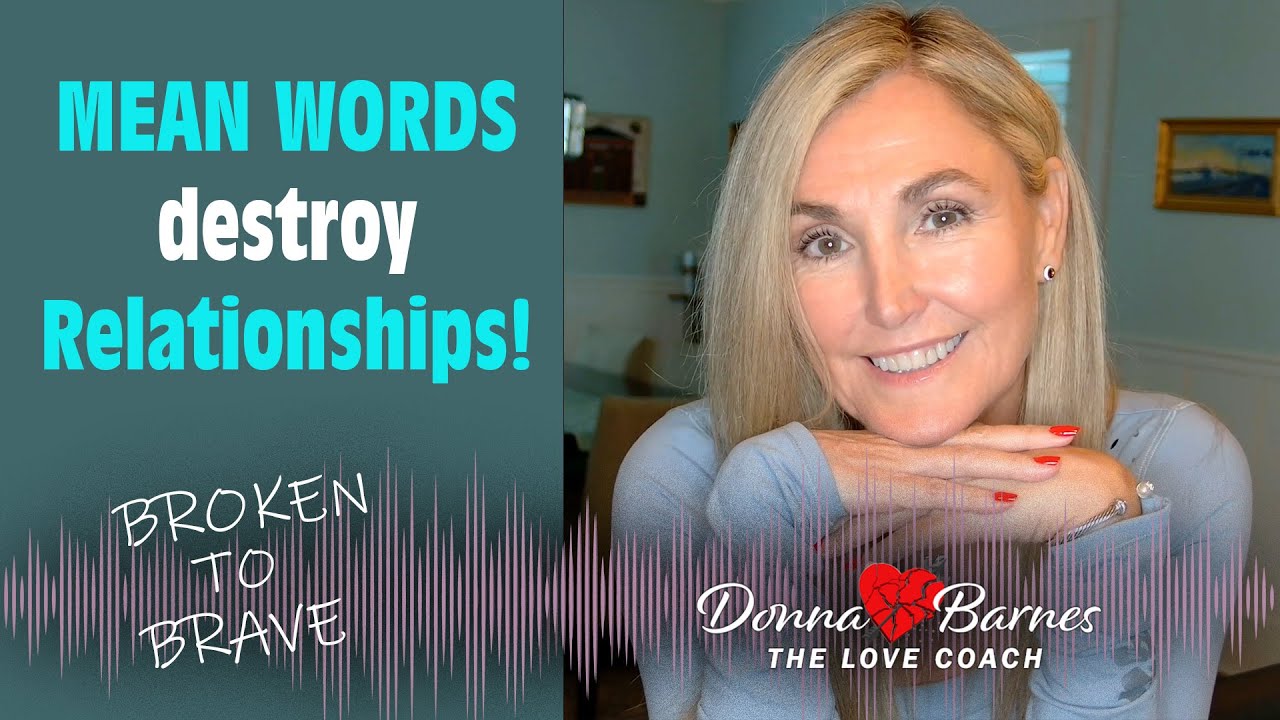
Once you say something hurtful to your partner, you can never truly take it back. You may apologize endlessly, explain that you were angry, or insist you didn’t mean it—but the words were still heard. And when those words are mean, critical, or demeaning, they often leave a permanent mark on your relationship.
In moments of anger, many people say things they later regret. Unfortunately, regret doesn’t erase the impact. Hurtful words linger, replay in the mind, and quietly change how your partner feels about you over time.
Why Mean Words Are So Damaging
As a relationship coach, I hear stories all the time about things partners have said in anger—comments that completely altered the emotional dynamic of the relationship. Once something painful is spoken, it often becomes a mental loop for the person on the receiving end. They replay it, analyze it, and internalize it.
You can apologize a thousand times, but you can’t make someone unhear what you said.
When you lash out verbally, especially with the intention of hurting your partner because you feel hurt yourself, you’re not protecting the relationship—you’re actively damaging it.
The Danger of Attacking What Can’t Be Changed
One of the most harmful things you can do is criticize your partner for something they cannot change. This includes things like:
- Their height or age
- Their appearance
- Physical traits or long‑standing insecurities
There is nothing constructive about criticizing immutable traits. These comments don’t inspire growth—they create shame, resentment, and emotional distance.
Even when it comes to things that can change, such as weight or habits, attacking your partner in a harsh or humiliating way is deeply damaging. Many struggles have emotional roots, and calling them out cruelly only reinforces pain rather than progress.
Weaponizing Vulnerability Breaks Trust
One of the fastest ways to destroy emotional intimacy is using your partner’s vulnerabilities against them.
If your partner has trusted you with something deeply personal—an insecurity, a fear, or a painful experience—and you throw it back at them during an argument, you are violating their trust. This behavior tells them it is no longer safe to be emotionally open with you.
Once that sense of safety is gone, rebuilding it is extremely difficult.
Why Apologies Aren’t Always Enough
Apologies are important, but sometimes they simply aren’t enough to undo the damage caused by cruel words. There’s a saying: you can be sorry, but you still needed to be conscientious in the first place.
Words within a relationship carry enormous emotional weight. Unlike the childhood rhyme, words do hurt—especially when they come from someone you love.
Choose Kindness, Even When You’re Angry
Your partner should be your safe place to land, not the person you fear during conflict. A healthy relationship is built on support, encouragement, and mutual respect.
Instead of criticizing:
- Offer compassion
- Speak thoughtfully
- Pause before reacting in anger
If you think something positive about your partner—say it. Genuine compliments and appreciation foster emotional intimacy and help your partner feel valued and loved.
Kindness strengthens connection. Cruelty erodes it.
Final Thoughts: Think Before You Speak
If you’re someone who tends to say whatever comes to mind when you’re angry, it’s time to pause and reflect. The words you choose in heated moments can permanently alter your relationship—or even end it.
You can’t unsay something once it’s spoken. And your partner will never forget words that deeply hurt them.
Choose your words carefully. Always.
Personal Coaching with Me:
If you’re struggling with communication, anger, or emotional intimacy in your relationship, personal coaching can help. Support, guidance, and healthier tools for communication can make all the difference.